 By
By Navigating China’s Longmen Grottoes with Limited Mobility
Can someone with limited mobility realistically experience the magnificent China Longmen Grottoes? This is a critical question for many independent travelers planning a visit to this UNESCO World Heritage site, renowned for its thousands of Buddhist statues carved into the limestone cliffs. The prospect of encountering uneven terrain, numerous steps, and extensive walking distances can be daunting. However, with careful planning and a clear understanding of the site’s layout, it is indeed possible to appreciate much of the historical and artistic splendor of the Longmen Grottoes, even with mobility challenges. This guide will outline the practical considerations and offer actionable strategies to ensure a rewarding visit.
Understanding the Terrain and Accessibility Challenges at Longmen Grottoes
The Longmen Grottoes stretch for approximately one kilometer along the Yi River, with carvings on both the east and west banks. The primary viewing area, featuring the most impressive and iconic statues, is located on the west bank. Accessing these intricate carvings involves navigating various pathways, which present differing levels of challenge for visitors with limited mobility.
The site is generally divided into several key sections, each with unique topographical features:
* **Entrance Area:** This area is typically flat and well-paved, leading to ticket counters and the main shuttle bus stops.
* **West Bank Grottoes:** This is the most popular and extensive section. While some parts feature wide, paved walkways, many grottoes are accessed via stairs, uneven stone paths, or inclines. The path directly alongside the river can be relatively flat for significant stretches, but viewing certain higher-level grottoes often requires climbing.
* **East Bank Grottoes:** These grottoes are less numerous but still historically significant. They are generally considered to be less physically demanding to explore, often involving fewer steep ascents compared to their west bank counterparts. Accessing them requires crossing the Yi River via a bridge, which is typically flat.
* **River Crossing:** A pedestrian bridge connects the west and east banks. This bridge is flat and offers excellent panoramic views of the grottoes on both sides.
The primary challenges for visitors with limited mobility at the China Longmen Grottoes include:
* **Numerous Steps:** Many grottoes, especially the smaller, higher-placed ones, are only accessible by ascending stone steps that can be steep and uneven.
* **Uneven Pathways:** While main thoroughfares are often paved, side paths and older sections might feature worn stone, cobblestones, or natural earth, which can be difficult for wheelchairs or those using walking aids.
* **Long Distances:** The sheer scale of the site means covering significant distances, even with the aid of shuttle buses.
* **Crowds:** During peak season or holidays, large crowds can make navigating narrow paths or boarding shuttles challenging.
* **Limited Ramps/Lifts:** Comprehensive ramp access or elevators are not universally available, limiting direct access to all carvings.
A Mobility-Focused Route for Longmen Grottoes Visitors
Planning your route meticulously is the single most effective strategy for an accessible visit to the China Longmen Grottoes. This approach prioritizes level sections, leverages shuttle services, acknowledges steep-path constraints, and sets realistic viewing priorities.
Here’s a step-by-step framework for planning your mobility-focused itinerary:
- Start with the Shuttle Planning:
- Executable Step: Upon arrival at the main entrance, locate the designated shuttle bus stops. These buses are crucial for traversing the longer distances within the site.
- Key Checkpoint: Confirm the shuttle routes and stops. Typically, one route services the west bank, and another might connect to the east bank or other parts of the site.
- Common Failure Reason: Overestimating walking capacity from the entrance to the main grotto areas. The initial walk can be considerable. Always take the shuttle for the longest stretches.
- Prioritize the West Bank’s Level Sections:
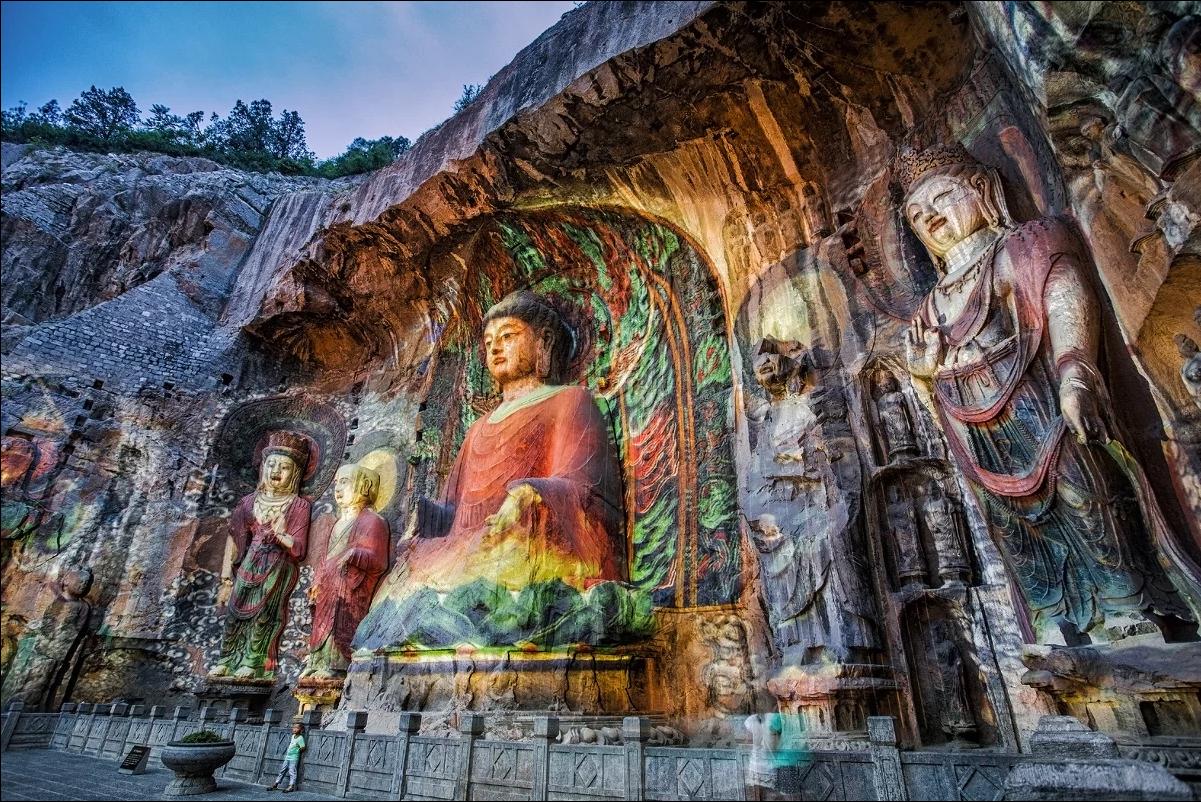
- Executable Step: Take the shuttle to the furthest accessible point on the west bank, typically near the largest grottoes like Fengxian Temple (where the colossal Vairocana Buddha is located). From there, explore the river-level pathways.
- Key Checkpoint: Focus on the main promenade that runs parallel to the Yi River. This path is largely flat and paved, offering stunning views of many prominent grottoes.
- Common Failure Reason: Attempting to climb every set of stairs leading to smaller, higher grottoes. Many impressive sights are visible from the main path.
- Navigate Steep-Path Constraints Realistically:
- Executable Step: Identify specific grottoes or viewing points you absolutely wish to see and research their exact access requirements (e.g., number of steps, steepness).
- Key Checkpoint: Be prepared to bypass sections involving significant stair climbing. For instance, while the main Vairocana Buddha at Fengxian Temple is largely visible from a relatively accessible platform, reaching some of the smaller, intricate caves above it requires considerable effort.
- Common Failure Reason: Pushing beyond physical limits, leading to fatigue or injury. It’s better to enjoy what’s accessible comfortably than to struggle through every section.
- Consider the East Bank for a Different Perspective:
- Executable Step: After exploring the accessible parts of the west bank, cross the pedestrian bridge to the east bank.
- Key Checkpoint: The east bank offers a panoramic view of the west bank grottoes, which can be a less strenuous way to appreciate their scale. The paths on the east bank are generally flatter and less crowded.
- Common Failure Reason: Skipping the east bank entirely. It provides a valuable complementary perspective and is often more manageable for mobility-challenged visitors.
- Set Realistic Viewing Priorities:
- Executable Step: Before your visit, review maps and images of the China Longmen Grottoes. Identify the absolute “must-see” carvings that align with your mobility capabilities.
- Key Checkpoint: Accept that you may not see every single grotto. Focus on the most significant and well-preserved ones that are reachable. The grandeur of the larger statues and the overall atmosphere are often the most impactful.
- Common Failure Reason: Trying to see everything, which can lead to rushing, exhaustion, and less enjoyment of the accessible parts.
Essential Preparations for an Accessible Visit to Longmen Grottoes
Beyond route planning, thorough preparation is key to a comfortable and fulfilling visit to the China Longmen Grottoes. These practical steps can significantly enhance your experience.
Mobility Aid Considerations
If you rely on mobility aids, assessing their suitability for the site is important:
- Wheelchairs: While main paths are often paved, many areas are not fully wheelchair accessible due to steps, narrow passages, or uneven surfaces. A lightweight, foldable wheelchair that can be lifted might be more practical than a heavy electric one. Consider a companion who can assist with pushing and lifting over obstacles.
- Walking Sticks/Canes: Highly recommended. They provide stability on uneven terrain and aid in navigating steps.
- Rollators/Walkers: Similar to wheelchairs, these might be challenging on non-paved sections or where stairs are frequent. Assess the need for a companion to help maneuver.
Timing Your Visit
The time of year and day can impact your experience significantly:
- Off-Peak Season: Visiting during the shoulder seasons (spring or autumn, avoiding major public holidays like Golden Week) can mean fewer crowds, making navigation easier and shuttle buses less congested.
- Early Morning or Late Afternoon: Arriving right at opening or a few hours before closing can help you avoid the midday rush and potentially enjoy cooler temperatures.
What to Bring: A Visitor’s Checklist
A well-packed bag can make all the difference:
- Comfortable Footwear: Even if you plan to use a shuttle, some walking is inevitable. Sturdy, supportive shoes with good grip are essential.
- Hydration and Snacks: While vendors are available, having your own water and energy-boosting snacks is prudent, especially if you need to manage blood sugar or energy levels.
- Sun Protection: The site is largely exposed. A hat, sunglasses, and sunscreen are crucial, particularly during warmer months.
- Portable Seating: A lightweight, foldable stool or cane chair can be invaluable for resting periodically, as benches might not be available exactly where you need them.
Communicating Your Needs
While English might be understood by some staff, having key phrases translated can be beneficial:
- “I need to sit down.”
- “Is there a ramp?”
- “Where is the nearest restroom?” (Accessible restrooms may be limited, so plan accordingly).
Maximizing Your Experience and Enjoying the Cultural Heritage
Even with mobility restrictions, the China Longmen Grottoes offer an incredibly rich cultural experience. Focus on the grand scale and artistic mastery that is accessible, rather than dwelling on areas you cannot reach.
Embrace the Main Viewing Areas
The most iconic and visually impactful sections, such as the colossal statues at Fengxian Temple, are generally within reach for visitors who can manage moderate walking and some gentle slopes. The sheer scale and intricate details of these central carvings are breathtaking and truly represent the pinnacle of Buddhist art during their creation.
Utilize Observation Points
The pedestrian bridge crossing the Yi River provides some of the best panoramic views of the entire grotto complex on both sides. This is an excellent, low-exertion way to appreciate the scope of the carvings and capture memorable photographs. Similarly, many of the river-level paths offer fantastic vantage points for examining the lower grottoes up close.
Engage with the History
Before your visit, consider learning more about the history and significance of the China Longmen Grottoes. Understanding the context of these carvings – their religious importance, the dynasties that commissioned them, and the artistic styles – can deepen your appreciation, even if you cannot explore every single cave. Official guidebooks or audio guides (if available) can provide valuable insights.
Consider a Companion or Local Guide
Traveling with an able-bodied companion is highly recommended. They can assist with navigation, provide support on uneven paths, help with mobility aids, and manage logistics. For those seeking deeper insights and practical assistance, consider hiring a local guide who is familiar with accessible routes and can tailor the tour to your specific needs.
The cultural heritage preserved at the Longmen Grottoes is immense. By carefully planning your visit, understanding the site’s layout, and setting realistic expectations, you can still have a deeply moving and memorable experience at this extraordinary historical site.
For personalized travel advice on accessible routes or to discuss specific requirements for your visit to the Longmen Grottoes, consider consulting with a specialist travel planner.