
 By
By How to Choose the Best Season to Visit China Luoyang
Deciding when to visit China Luoyang involves more than just booking a flight; it’s about aligning your travel goals with the city’s distinct seasons. Whether you’re here for business, to witness the world-famous Peony Festival, or to explore ancient grottoes, timing is everything. Choosing the right month can mean the difference between pleasant strolls through historic sites and navigating peak-season crowds in unpredictable weather. This guide provides a clear, season-by-season breakdown to help you determine the optimal window for your trip.
Luoyang has a continental, temperate climate with four distinct seasons. This means hot, humid summers and cold, dry winters, with spring and autumn offering the most comfortable conditions for tourism and business travel. Understanding these patterns is the first step in planning a successful and efficient visit.
Deciding Your Luoyang Travel Window: A Seasonal Comparison
Selecting the best time to visit Luoyang requires balancing weather, crowd levels, and your primary objectives. The city’s main attractions, like the Longmen Grottoes and White Horse Temple, offer vastly different experiences depending on the season. The world-renowned Luoyang Peony Festival in April dramatically impacts pricing and accessibility. Use the following table to compare the key trade-offs for each travel period.
| Factor | Spring (Mar-May) | Summer (Jun-Aug) | Autumn (Sep-Nov) | Winter (Dec-Feb) |
|---|---|---|---|---|
| Average Weather | Mild and pleasant, but can be windy with some rain. Temperatures warm up progressively. Ideal for outdoor activities. | Hot and humid, with frequent and sometimes heavy rainfall, especially in July and August. Can be uncomfortable for extensive walking. | Cool, dry, and sunny with clear skies. Widely considered the most comfortable weather of the year. | Cold and dry, with temperatures often dropping below freezing. Occasional snow, but generally not heavy. |
| Luoyang Peony Festival | Peak season (April). The city’s main event. Expect vibrant flower displays everywhere. | N/A | N/A | N/A |
| Crowd Levels | Extremely high in April due to the festival. March and May are less crowded shoulder months. | Moderate to high, driven by domestic summer holidays. Major sites can be busy. | Low to moderate. National holidays in early October cause a temporary spike, but otherwise it’s pleasantly quiet. | Lowest of the year. You may have some sites almost to yourself, especially on weekdays. |
| Site-Visiting Conditions | Excellent, apart from the April crowds. Blooming flowers add beauty to all outdoor parks and temples. | Challenging due to heat and potential rain. Early mornings are the best time for sightseeing. | Excellent. Comfortable temperatures and clear skies make for perfect photography and exploration conditions. | Good for those who don’t mind the cold. A dusting of snow can make historical sites very picturesque. Daylight hours are shorter. |
| Recommendation | Visit in April only if the peonies are your top priority. Otherwise, late March or May offer a better balance. | Best avoided unless your schedule is fixed. Be prepared for heat and pack accordingly. | The ideal season for most travelers, especially for business or a focus on historical and cultural sites. | Best for budget travelers, photographers seeking unique shots, and those with a high tolerance for cold. |
Navigating the Luoyang Peony Festival: A Practical Guide
The Luoyang Peony Festival, typically held throughout April, transforms the city into a floral masterpiece and is the single biggest driver of tourism. While the experience is visually stunning, it requires careful planning to manage the logistical challenges. If your visit must coincide with this event, understanding the realities on the ground is critical.
The festival isn’t a single-venue event; major parks like the National Peony Garden, Wangcheng Park, and the China National Flower Garden host the main displays. Each has a slightly different blooming schedule, with some varieties flowering earlier or later in the month. The sheer volume of visitors during this period puts immense pressure on the city’s infrastructure.
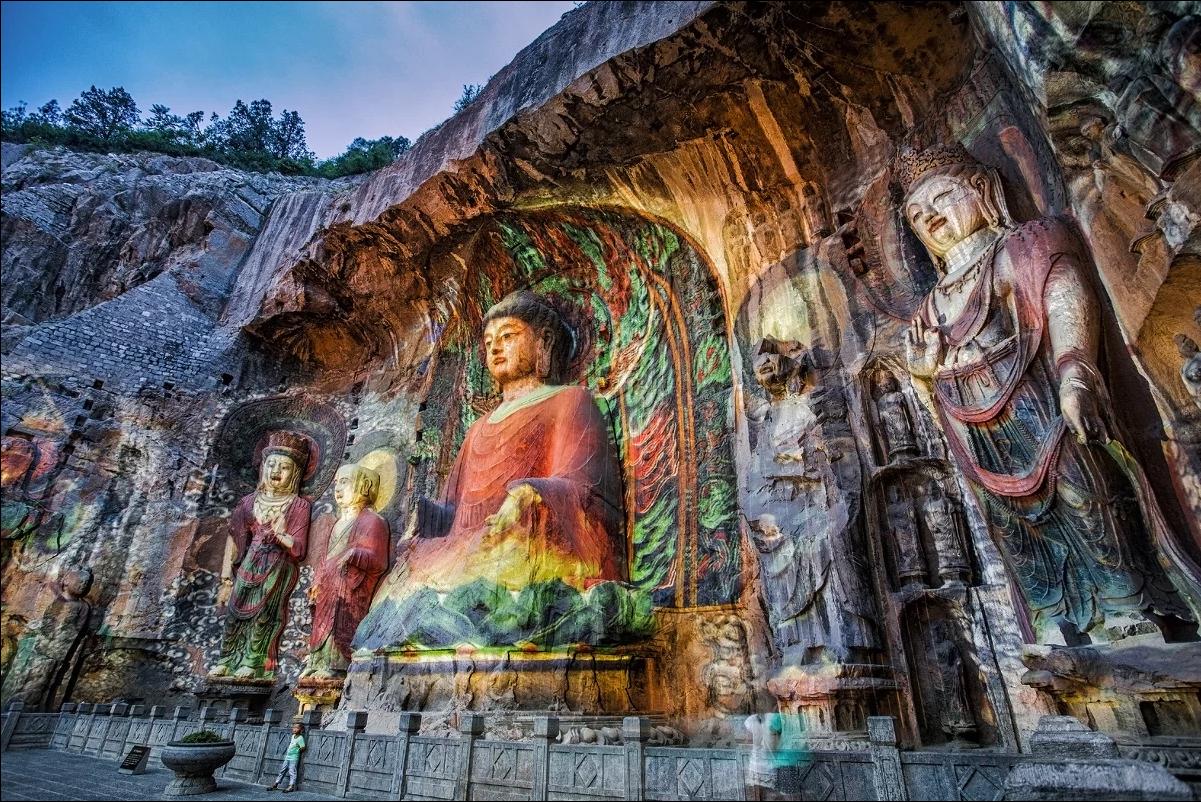
Common Mistakes to Avoid During Peony Season
A successful trip during this peak time is about avoiding common pitfalls. Many first-time visitors underestimate the festival’s impact. Here are key mistakes to sidestep:
- Booking Too Late: Hotels and train tickets can sell out weeks, or even months, in advance for the peak weekends in April. Prices for remaining availability will be significantly inflated. Conclusion: Book accommodation and major transport at least two to three months ahead.
- Underestimating Crowds: The term “crowded” doesn’t fully capture the reality at popular peony gardens or the Longmen Grottoes during the festival. Expect long queues for entry, food, and transport. Conclusion: Visit major sites early on a weekday morning to avoid the worst of the crowds. Consider visiting secondary, less-famous parks.
- Ignoring Intra-City Transport: Taxis will be scarce, and ride-hailing apps will have long waits and surge pricing. City buses will be packed. Conclusion: Stay at a hotel within walking distance of a subway line. The metro is often the most efficient way to get around during this period.
- Assuming Perfect Weather: While spring is generally pleasant, the Luoyang weather in April can be volatile. Sudden drops in temperature, wind, and rain showers are common. Conclusion: Pack in layers. Bring a light waterproof jacket and comfortable walking shoes that can handle a bit of rain.
Beyond the Peonies: Why Autumn Offers the Best Travel Experience
For many visitors, especially those combining business with tourism or whose primary interest lies in history, autumn (September to November) is unequivocally the best time to visit China Luoyang. This season offers the perfect intersection of comfortable weather and manageable crowd sizes, allowing for a more relaxed and in-depth exploration of the region’s treasures.
With the summer heat and humidity gone, the crisp, dry air and abundant sunshine create ideal conditions for visiting sprawling outdoor sites like the Longmen Grottoes and the Shaolin Temple (a popular day trip). The foliage turns brilliant shades of yellow and red, providing a beautiful, natural backdrop to the ancient stone carvings and temples. Except for the early October national holiday week, you will find tourist sites to be far less congested than in the spring or summer, leading to a more personal and enjoyable experience.
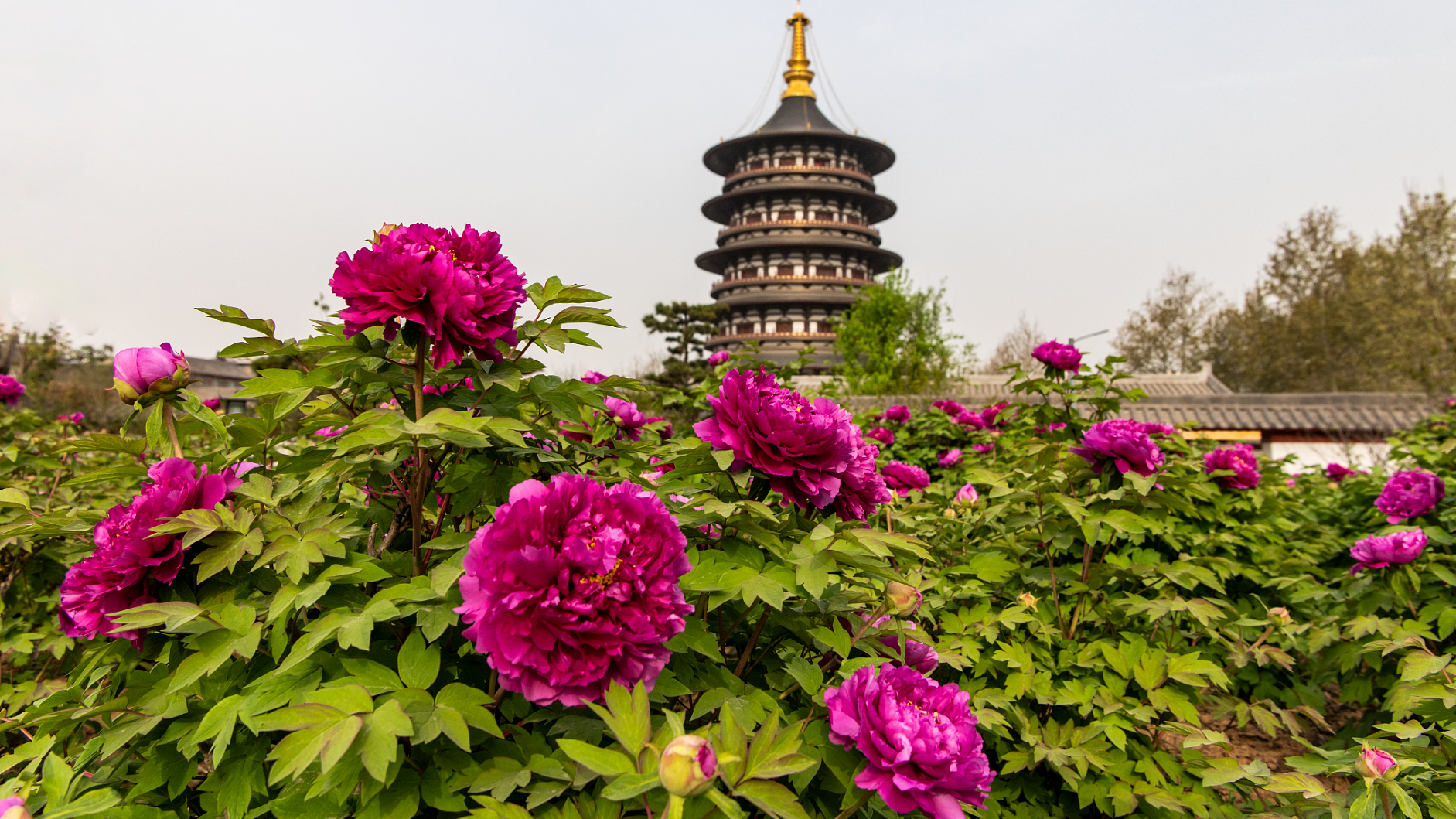
Decision Checklist: Spring Peony Season vs. Autumn Visit
If your schedule is flexible, choosing between a spring and autumn trip can be difficult. Use this checklist to clarify which season best fits your priorities.
- What is your primary goal?
- ☐ To see the peonies in bloom. (Choose Spring)
- ☐ To explore historical/cultural sites without rush. (Choose Autumn)
- What is your budget tolerance?
- ☐ I am prepared for peak-season pricing on flights and hotels. (Choose Spring)
- ☐ I prefer to take advantage of more reasonable shoulder-season rates. (Choose Autumn)
- How do you feel about large crowds?
- ☐ I don’t mind dense crowds; the festive atmosphere is part of the experience. (Choose Spring)
- ☐ I strongly prefer quieter, more spacious environments to appreciate the sights. (Choose Autumn)
- How important is photographic quality?
- ☐ I want photos of vibrant flowers. (Choose Spring)
- ☐ I want photos with deep blue skies, golden light, and minimal people in the background. (Choose Autumn)
By assessing these factors, you can make an informed decision that aligns with your travel style and ensures your visit to Luoyang is as rewarding as possible.
If your travel plans include factory visits or business meetings, the stable weather and reduced holiday disruptions of autumn make it a particularly strategic choice. It allows for efficient travel between appointments without the logistical hurdles of the peak tourist seasons.
If your trip to Luoyang includes business, our team can help you plan your visit to align with the region’s seasonal rhythms and logistical considerations.
