 By
By Understanding the White Horse Temple Luoyang Layout as a Narrative
Most visitors approach a historic site like a checklist, moving from one hall to the next. But to truly understand the significance of the white horse temple luoyang, you must read its layout not as a collection of buildings, but as a carefully constructed story. The sequence of gates, halls, and courtyards is designed to guide a visitor through the core tenets of Buddhism, representing a symbolic pilgrimage from the secular world to a state of enlightenment. This architectural narrative is the key to unlocking a deeper appreciation of China’s first Buddhist temple.
This guide provides a framework for interpreting the temple’s main axis, helping you move beyond simple sightseeing. We will deconstruct the purpose of each major hall in its specific order, explain the symbolism of key statues, and highlight common mistakes in interpretation that can cause visitors to miss the site’s profound meaning.
How to Read the Temple’s Main Axis as a Pilgrimage Narrative
The central north-south axis of the White Horse Temple is not random. It is a physical manifestation of the spiritual path. By understanding the function and symbolism of each stop along this path, you can experience the site as its designers intended. This is not just a tour; it is a lesson in spatial storytelling integral to Chinese temple architecture.
Follow this step-by-step interpretation to trace the narrative from the entrance to the historic core.
- Step 1: Passing Through the Mountain Gate (Shanmen)
What It Represents: This is the formal entrance, symbolizing the boundary between the mundane, everyday world and the sacred space of the temple. Stepping through it is the first act of the pilgrimage, a conscious decision to leave worldly concerns behind. The gate itself, often guarded by symbolic figures, acts as a spiritual filter.
What to Look For: Observe the guardian figures. They are not merely decorative but serve as the first protectors of the Dharma (Buddhist teachings). Their presence signals that you are entering a protected, significant space. - Step 2: Encountering the Guardians in the Hall of Heavenly Kings (Tianwang Dian)
What It Represents: Immediately after the gate, you meet the Four Heavenly Kings. They are worldly deities who have pledged to protect Buddhism. Their placement here signifies that before one can approach the core teachings, one must acknowledge the forces that protect the path. They represent the active, martial defense of the faith. In the center, you will typically find the Maitreya (the “laughing Buddha”) and, behind him, Skanda (Weituo), the chief guardian.
What to Look For: Note the objects each King holds—a pipa (lute), an umbrella, a snake, a sword. These are not random props; they symbolize different methods of protecting the faithful and correspond to the four cardinal directions. - Step 3: Reaching the Core Teaching at the Great Buddha Hall (Daxiong Baodian)
What It Represents: This is the main hall of the temple and the heart of its spiritual life. It houses the most important figures for worship and teaching. Entering this hall is equivalent to coming face-to-face with the central figures of the faith. The atmosphere is designed to inspire awe and reverence, focusing the mind on the ultimate goal.
What to Look For: The central statues are key. Typically, this includes Sakyamuni Buddha, flanked by his key disciples or other Buddhas and Bodhisattvas. Their arrangement communicates core theological concepts about the nature of enlightenment and the path to achieving it. - Step 4: Understanding the Path in the Hall of Guidance (Jieyin Dian)
What It Represents: This hall is often dedicated to Amitabha Buddha, who guides sentient beings to his Pure Land. Its placement after the main hall symbolizes the practical method and promise of salvation offered by Buddhist practice. It answers the question, “Now that I have seen the goal, how do I get there?” It represents compassion and provides a clear path for the devotee.
What to Look For: The iconography here focuses on Amitabha, often with his attendant Bodhisattvas, Avalokiteshvara and Mahasthamaprapta. Their gestures are often welcoming and serene, reinforcing the hall’s theme of guidance and reception. - Step 5: Arriving at the Origin at the Cool and Clear Terrace (Qingliang Terrace)
What It Represents: This is the historical and spiritual anchor of the White Horse Temple Luoyang. It is believed to be the site where the original sutras and statues brought from India were first housed. Reaching this point completes the pilgrimage; you have moved from the entrance, through the teachings and protectors, to the very source of the temple’s existence. It is a place of quiet contemplation and historical reverence.
Common Visitor Misinterpretations and How to Avoid Them
Many visitors, especially those on a tight schedule, make critical errors that prevent them from fully appreciating the temple’s significance. Understanding these common pitfalls can help you structure your visit for a more meaningful experience. Avoiding these mistakes is crucial for anyone engaging in serious Buddhist iconography studies or cultural analysis.
| Common Mistake | Why It’s a Problem | How to Correct Your Approach |
|---|---|---|
| Rushing the Main Axis | Visitors often quickly walk through the central halls to spend more time at the more visually distinct international temples (Thai, Indian, Burmese). | This is like skipping the first three chapters of a book. You miss the entire narrative foundation. Allocate at least an hour to slowly progress along the main axis first, observing the sequence and atmosphere of each hall before exploring the outer areas. |
| Viewing Statues as Museum Pieces | Approaching the statues solely as works of art or historical artifacts, focusing only on their age or material. | While they are artistically significant, their primary function is symbolic and devotional. Try to identify the figures (Heavenly King, Buddha, Bodhisattva) and understand their role in the narrative. Ask “Why is this figure here?” not just “What is this figure made of?” |
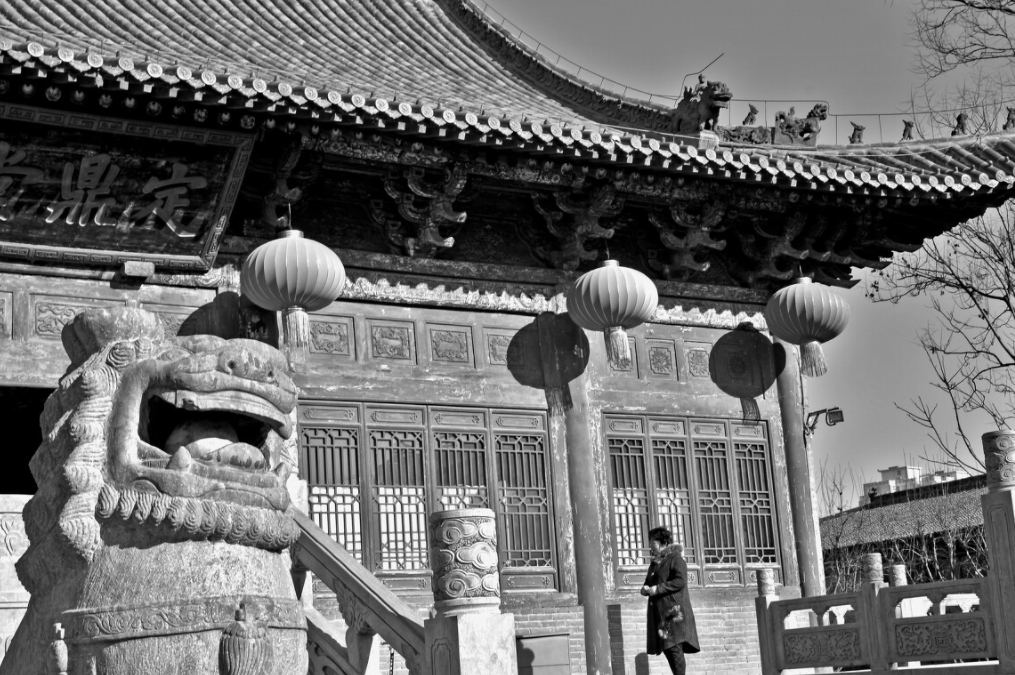
| Ignoring Architectural Cues | Focusing only on what’s inside the halls while ignoring the buildings themselves, including the courtyards and connecting walkways. | The space between halls is just as important. The size and openness of a courtyard can create a sense of anticipation or calm. The roof styles, colors, and decorative elements all carry meaning. For example, the progression from imposing guardian halls to a more serene main hall is a deliberate architectural choice. |
| Treating It as One Homogeneous Site | Failing to distinguish between the original central axis and the modern international temple zone. | Recognize that the site has two distinct parts. The central axis represents the historical core of Chinese Buddhism’s origin. The international zone is a modern addition celebrating diplomatic and religious ties. Appreciate them as separate but related experiences—one historical, one contemporary. |
Beyond the Central Axis: The International Temple Zone
While the historical narrative of the white horse temple luoyang is told along its central axis, the complex has expanded significantly to include a unique international zone. This area features stunning, authentic reproductions of famous Buddhist temples from other countries, primarily Thailand, Myanmar, and India. Visiting this section provides a powerful comparative study in Buddhist architecture and cultural expression.
When planning your visit, it’s best to treat this zone as a second, distinct chapter. After fully absorbing the story of the main Chinese temple, exploring the international halls offers several benefits:
- Architectural Comparison: You can directly compare the design principles of a traditional Chinese temple—with its emphasis on symmetry, courtyards, and wood-frame construction—to the stone-carved grandeur of the Indian temple or the gilded spires of the Thai and Burmese structures.
- Iconographic Differences: Observe the variations in how the Buddha and other figures are depicted. The styles, postures, and artistic conventions differ significantly, reflecting centuries of independent cultural development.
- A Symbol of Modern Exchange: The presence of these temples at China’s first Buddhist site is a powerful statement about contemporary global Buddhism. It showcases a modern story of international cooperation and shared heritage, which contrasts with the ancient story of transmission told on the main axis.
Do not view these temples as mere copies. They were built with materials, craftsmanship, and funding from their respective countries, making them authentic cultural embassies. For those involved in planning educational tours, this section offers a rich, self-contained lesson in the diversity of Buddhist practice across Asia.
By first understanding the pilgrimage narrative of the original temple and then exploring the international zone, your visit to the White Horse Temple Luoyang transforms from a simple tour into a deep, multi-layered cultural and historical analysis.
For organizations planning cultural or educational delegations, our team can provide in-depth briefings and logistical support to ensure a meaningful and insightful visit.