Why China’s Longmen Grottoes Are Carved in Limestone
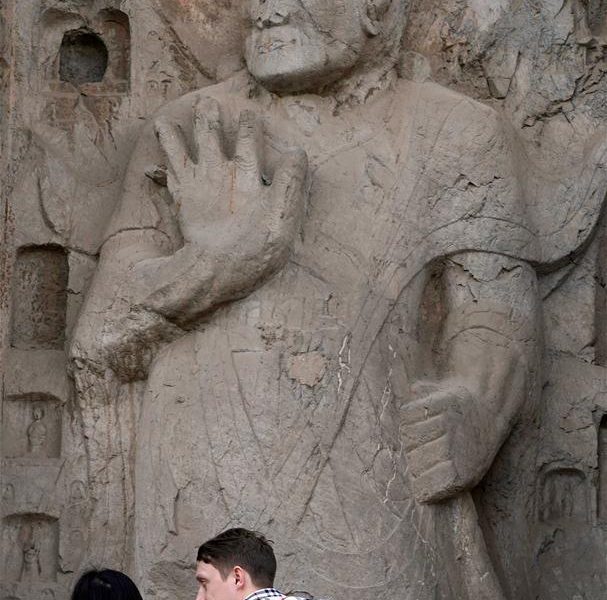
Explore why the iconic China Longmen Grottoes were carved into limestone cliffs and the geological implications for their detailed art and ongoing preservation.
Read More
Explore why the iconic China Longmen Grottoes were carved into limestone cliffs and the geological implications for their detailed art and ongoing preservation.
Read MoreUnderstand how to accurately date carvings at China’s Longmen Grottoes using stylistic analysis, inscription evidence, and key historical indicators for precise insights.
Read MoreLearn how the Yi River cliffs shaped luoyang longmen grottoes and plan a more informed cultural study visit.
Read MoreDiscover why luoyang grottoes longmen were carved beside the Yi River and use the site geography to plan a more informed visit.
Read MorePlan luoyang in china by dynasty with a practical museum sequence. Build a clearer cultural itinerary and refine your route.
Read MoreExplore the transformation of Lo Yang China from an ancient dynastic capital to a modern hub for machinery, materials, and manufacturing. Plan your sourcing strategy.
Read MoreExplore the dynastic evolution of Buddhist art in Luoyang City. This guide helps educators and researchers trace landmarks from the Northern Wei through Tang periods.
Read MoreDiscover the unique history of Luoyang in China, where imperial power and Silk Road trade routes converged to establish it as a foundational center for Buddhism.
Read MoreDiscover why the city once known as Lo Yang in China is now spelled Luoyang. We explain the romanization systems to ensure accuracy in your sourcing and logistics.
Read MoreDiscover why Luoyang city became a crucial eastern terminus of the Silk Road, driven by its strategic location, imperial power, and role as a cultural hub.
Read More