 By
By Crafting an Optimal Three-Day Itinerary for Ancient Luoyang
Planning a journey to an ancient city like Luoyang, a city with a profound history as a capital to multiple dynasties, requires careful consideration. Independent travelers often face the challenge of efficiently navigating its vast array of historical sites within a limited timeframe. This guide addresses the core question: how to structure a three-day visit to Luoyang to maximize historical immersion and logistical efficiency? We will provide a structured approach to sequencing major heritage sites, ensuring a productive and enriching experience without common planning pitfalls.
Sequencing Major Heritage Sites in Luoyang for a Three-Day Visit
Effective travel planning in Luoyang hinges on understanding the geographical distribution and historical significance of its key sites. Grouping nearby attractions by location and considering their historical context can significantly reduce travel time and enhance the narrative flow of your visit. Below is a recommended three-day itinerary focusing on major heritage sites, sequenced by dynasty, location, and realistic travel time estimates. These estimates account for travel between sites, not just time spent exploring.
| Day | Site Name | Associated Dynasty/Era | Location (General Area) | Realistic Travel Time (Including Transit) | Key Historical Significance |
|---|---|---|---|---|---|
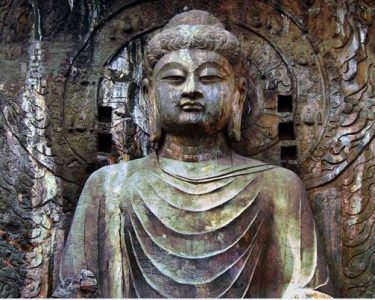
| Day 1: Buddhist Art & Early History | Longmen Grottoes | Northern Wei, Tang Dynasty | South of Luoyang City | 4-5 hours | Thousands of Buddhist statues carved into cliffs, a UNESCO World Heritage site representing peak Chinese Buddhist art. |
| White Horse Temple | Eastern Han Dynasty | East of Luoyang City | 3-4 hours | Considered the first Buddhist temple in China, a pivotal site for the introduction of Buddhism. | |
| Day 2: Imperial Grandeur & City Core | Luoyang Museum | Various Dynasties | Central Luoyang City | 3-4 hours | Houses artifacts spanning Luoyang’s 13-dynasty history, offering crucial context for other sites. |
| Heavenly Hall & Mingtang Site (Wangcheng Park) | Tang Dynasty | Central Luoyang City | 3-4 hours | Reconstructed imperial structures of Empress Wu Zetian’s palace, showcasing Tang architectural grandeur. | |
| Day 3: Ancient Tombs & Local Culture | Luoyang Ancient Tombs Museum | Han to Song Dynasties | North of Luoyang City | 3-4 hours | Unique underground museum featuring excavated ancient tombs, offering insight into burial practices. |
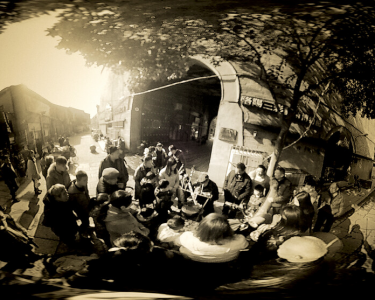
| Old City District & Lijing Gate | Various, Ming/Qing Architecture | Central Luoyang City | 3-4 hours | Preserved historical district, ideal for experiencing local culture, food, and traditional architecture. |
This sequence prioritizes geographical grouping where possible, starting with the iconic Longmen Grottoes, which demand significant time. Day two focuses on centrally located historical and cultural sites within the modern city of Luoyang, making transit simpler. Day three balances a more specialized historical site with an immersive cultural experience.
Key Considerations for Your Luoyang Travel Logistics
Successful execution of any Luoyang itinerary relies heavily on practical logistical planning. Ignoring these aspects can lead to wasted time and unexpected costs. Here, we outline critical areas to consider before and during your trip.
Public Transportation and Accessibility
Luoyang offers a range of public transportation options, primarily buses and taxis. The city is developing its metro system, which can be useful for certain routes. Understanding the best mode for each leg of your journey is crucial.
- City Buses: Extensive network, highly affordable. Best for intra-city travel to most major attractions. Requires some familiarity with routes or a translation app for destination names.
- Taxis/Ride-sharing: Convenient for direct routes or when time is critical. Essential for reaching sites slightly outside the main bus routes or for late-night returns. Fares are reasonable.
- Metro: While expanding, the metro might not yet cover all specific tourist sites directly. Check current operational lines and station proximity to your chosen attractions.
Recommendation: For efficiency, combine buses for routine travel with taxis for longer distances or when moving between less accessible sites like the Longmen Grottoes to White Horse Temple on Day 1. Purchase a local transport card if available, or use mobile payment apps widely accepted on buses and in taxis.
Scenario: Traveling from Luoyang Railway Station to Longmen Grottoes. A direct bus route (e.g., K81) is often available, taking about an hour. Alternatively, a taxi would take 30-40 minutes but at a higher cost. The decision hinges on your budget and time sensitivity for that specific leg.
Limits: Relying solely on public buses for all inter-site travel can be slow due to multiple stops and traffic. Taxis offer speed but can accumulate costs if used excessively. Always confirm destination names and addresses in Chinese if possible to avoid miscommunication with drivers.
Accommodation Zoning Strategy
Choosing the right area for your accommodation can significantly impact your daily travel times and overall experience. Luoyang has several distinct zones, each with its advantages.
- Central City (Near Wangcheng Park/Luoyang Train Station):
- Pros: Excellent access to public transport hubs, proximity to Luoyang Museum, Heavenly Hall, and the Old City District. Wide range of dining and shopping options.
- Cons: Can be bustling and sometimes noisy.
- Longmen Grottoes Area:
- Pros: Ideal if your primary focus is the grottoes and you prefer a quieter stay with scenic views.
- Cons: Further from other major city attractions; limited dining and entertainment options compared to the city center.
- Jianxi District (Western Luoyang):
- Pros: Modern commercial area with newer hotels and amenities. Good access to the Luoyang High-Speed Rail Station.
- Cons: A bit further from most historical sites, requiring more transit time.
Recommendation: For a three-day itinerary balancing multiple sites, staying in the Central City area is generally most efficient. This minimizes daily commute times to centrally located attractions and provides easy access to transport for outlying sites. Book accommodation that offers clear directions and is close to a bus stop or metro station.
Limits: If your primary interest is a deep dive into the Longmen Grottoes over multiple visits, then a hotel closer to that site might be preferable, despite the longer commutes for other activities. This trade-off must be weighed against your specific travel priorities.
Avoiding Common Pitfalls in Luoyang Itinerary Planning
Even with a well-researched plan, certain common mistakes can detract from your Luoyang experience. Being aware of these can help you proactively mitigate risks and ensure a smoother trip.
Common Itinerary Planning Mistakes and Solutions
- Over-scheduling Sites in One Day:
- Mistake: Trying to visit too many distant sites in a single day, leading to rushed experiences and excessive travel time. Example: Planning Longmen Grottoes, White Horse Temple, and Luoyang Museum all on Day 1.
- Solution: Prioritize quality over quantity. Allocate ample time (3-5 hours, including travel) for major sites. Group sites geographically. Accept that you may not see every single attraction.
- Reasoning: Each major site in Luoyang, especially Longmen Grottoes and White Horse Temple, requires several hours for proper exploration, not just a quick photo stop. Travel between them adds significant time.
- Ignoring Opening Hours and Seasonal Variations:
- Mistake: Arriving at a site only to find it closed or operating on reduced hours, particularly during public holidays or off-peak seasons.
- Solution: Always verify the latest opening hours and ticket information for each attraction before your visit, especially around national holidays. Some outdoor sites are best visited in spring or autumn.
- Reasoning: Operating hours can change without extensive public notice. Summer can be very hot, and winter might have colder temperatures affecting outdoor site enjoyment.
- Underestimating Travel Times Between Sites:
- Mistake: Assuming quick transit between sites based on map distances, not accounting for traffic, bus schedules, or walking distances within large complexes.
- Solution: Add a buffer of 30-60 minutes for each inter-site transit. Use local mapping apps (which account for real-time traffic) for more accurate estimates.
- Reasoning: Luoyang is a large city. Traffic congestion, especially during peak hours, can significantly extend travel durations. Large sites like Longmen Grottoes themselves require considerable walking.
- Neglecting Language Barriers:
- Mistake: Assuming English signage or staff will be universally available, leading to difficulties with directions, ordering food, or buying tickets.
- Solution: Download a reliable offline translation app. Learn a few basic Mandarin phrases. Have key destination names and addresses written in Chinese characters on your phone or a note.
- Reasoning: While major tourist sites may have some English, many local establishments and public transport interactions will be solely in Mandarin.
- Not Planning for Meals and Breaks:
- Mistake: Focusing solely on attractions and forgetting to schedule time for meals, hydration, and short rests, leading to fatigue.
- Solution: Incorporate specific meal breaks into your daily schedule. Carry water and snacks, especially for sites like Longmen Grottoes which involve extensive walking.
- Reasoning: Exploring historical sites is physically demanding. Regular breaks and proper nutrition are essential to maintain energy and enjoyment throughout the day.
Budgeting and Time Management for Your Luoyang Exploration
Effective resource allocation, both financial and temporal, is paramount for a stress-free travel experience. This section provides a framework for managing your budget and optimizing your time in Luoyang.
Pre-Trip Planning Checklist for Luoyang
Before you even step foot in Luoyang, a structured planning approach can save time and money. Use this checklist to ensure all critical elements are addressed.
- Visa and Entry Requirements:
- Action: Confirm visa requirements for your nationality and apply well in advance.
- Reasoning: Visa processing can take weeks; delays can derail your trip.
- Flight and Accommodation Bookings:
- Action: Book flights and hotels at least 2-3 months out, especially if traveling during peak season.
- Reasoning: Better prices and availability, particularly for preferred hotels in central Luoyang.
- Travel Insurance:
- Action: Purchase comprehensive travel insurance covering medical emergencies, trip cancellations, and lost luggage.
- Reasoning: Unexpected events can occur; insurance provides financial protection.
- Currency Exchange and Payment Methods:
- Action: Research current exchange rates. Plan to carry some local currency (RMB) for smaller vendors, but rely mostly on mobile payment apps (WeChat Pay, Alipay) which are dominant.
- Reasoning: Cash is less common, but useful. Mobile payments are essential for daily transactions.
- Communication (SIM Card/eSIM):
- Action: Purchase a local SIM card or eSIM with data upon arrival or pre-order one.
- Reasoning: Essential for navigation, translation, ride-hailing, and staying connected. International roaming can be expensive.
- Essential Apps Downloaded:
- Action: Download translation apps (e.g., Google Translate with offline packs), mapping apps (e.g., Baidu Maps or Gaode Maps for China), and ride-hailing apps (e.g., Didi Chuxing).
- Reasoning: These apps are invaluable for navigation, communication, and transportation logistics within Luoyang.
- Basic Mandarin Phrases:
- Action: Learn greetings, numbers, and phrases for ordering food or asking for directions.
- Reasoning: Enhances local interactions and helps in situations where English is not understood.
By systematically addressing these pre-trip items, you lay a solid foundation for a successful and enjoyable visit to Luoyang. This proactive approach minimizes last-minute stress and allows you to focus on the rich history and culture of this ancient capital.
To delve deeper into planning your trip or discuss specific requirements, reach out to our team for expert advice.