 By
By Exploring Luoyang’s Dynastic Legacy Through Its Enduring Landmarks
For those delving into ancient Chinese history, understanding the layers of imperial power in a city like Luoyang can be a complex endeavor. This city, often hailed as one of China’s Four Great Ancient Capitals, served as the seat of power for numerous dynasties, each leaving its indelible mark. The challenge for today’s visitor or researcher lies in tracing these historical epochs through the physical remnants that survive. How do we connect an ancient name to a tangible structure, a specific artifact, or a museum exhibit?
Our aim here is to clarify this historical tapestry, providing a framework to understand what can actually be seen and experienced in Luoyang today, directly linked to its imperial past. We will guide you through the significant dynasties that called Luoyang home, detailing the landmarks and museums that serve as their enduring testament.
Understanding Luoyang’s Imperial Significance: A Historical Overview
Luoyang’s strategic location in the central plains of China made it a recurring choice for imperial power. Over its long history, more than a dozen dynasties established their capitals here, sometimes for brief periods, sometimes for centuries. This unique concentration of power has imbued the city with an unparalleled historical depth, making it a living museum of dynastic change and political evolution.
From the early Eastern Zhou to the later Tang, Luoyang witnessed the rise and fall of empires, the flourishing of arts and sciences, and pivotal moments in Chinese civilization. Each dynasty brought its own architectural styles, cultural practices, and administrative innovations, fragments of which can still be discerned by the discerning eye. To truly appreciate Luoyang, one must first grasp this foundational role it played in shaping a civilization.
Comparison: Linking Luoyang’s Dynasties to Visible Landmarks Today
Connecting ancient imperial names to present-day sites can be challenging without a clear guide. This table clarifies what visitors can actually see in Luoyang today, matching surviving landmarks and significant museum collections to the dynasties that made Luoyang an imperial capital. This provides a direct link between historical periods and their tangible legacy.
| Dynasty (Period) | Key Significance in Luoyang | What Visitors Can See Today | Practical Implication for Visitors |
|---|---|---|---|
| Eastern Zhou (770–256 BCE) | Longest-reigning dynasty; philosophical Golden Age (Confucius, Laozi); capital for over 500 years. | Luoyang Museum (extensive artifacts), Dingding Gate Site Museum (ancient city gate remains), Zhouwangcheng Square. | Explore early urban planning and foundational philosophical artifacts. The museum offers direct insight into the period’s material culture. |
| Eastern Han (25–220 CE) | Re-established Han Dynasty; major advancements in science and technology (paper-making); capital for nearly 200 years. | Luoyang Ancient Tombs Museum (Han Dynasty tombs and murals), White Horse Temple (first Buddhist temple in China, though much rebuilt). | Witness sophisticated burial practices and the early spread of Buddhism. The tombs provide a window into Han societal beliefs and artistic expression. |
| Cao Wei / Western Jin (220–316 CE) | Three Kingdoms period; brief but influential dynasties, known for military prowess and early imperial stability after Han collapse. | Luoyang Museum (artifacts from this transitional period), remains of the Cao Wei/Western Jin imperial city (less visible, mostly archaeological sites). | See artifacts that bridge the Han and Tang eras, showcasing the continuity and shifts in material culture. Archaeological sites offer context, though less visually striking. |
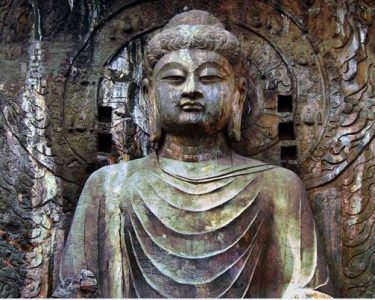
| Northern Wei (386–534 CE) | Introduced Buddhism as state religion; significant cultural fusion between Han and nomadic peoples. | Longmen Grottoes (Buddhist cave art), Baima Temple (rebuilt, but site dates to this era), Luoyang Museum (Buddhist sculptures). | Experience the peak of Buddhist art and monumental sculpture. The Longmen Grottoes are a direct, powerful visual testament to this dynasty’s influence. |
| Sui Dynasty (581–618 CE) | Unified China after centuries of division; built Grand Canal; laid foundation for Tang prosperity. | Sui-Tang Grand Canal Museum (exploring the canal’s significance), Luoyang Museum (artifacts reflecting early unification). | Understand the engineering marvel of the Grand Canal and the political reunification of China. The museum helps visualize imperial administration. |
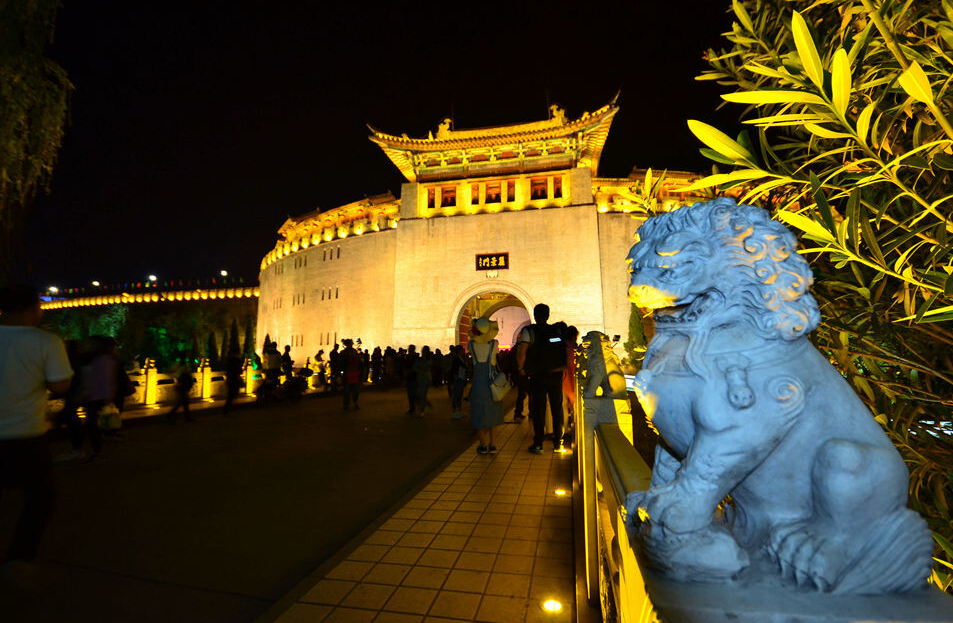
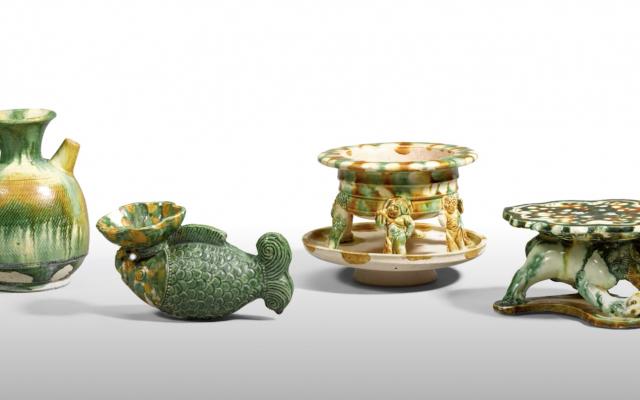
| Tang Dynasty (618–907 CE) | Golden Age of cosmopolitanism, literature, and art; peak of imperial power; capital during parts of its reign. | Dingding Gate Site Museum (Tang city gate foundations), Luoyang Museum (Tang ceramics, calligraphy, art), Tianzi Jialiu Museum (royal chariots), remnants of the Paradise Palace. | Immerse in the era of peak Chinese cultural influence. The range of artifacts and architectural sites demonstrates the dynasty’s wealth and artistic sophistication. |
| Later Liang / Later Tang / Later Jin / Later Han / Later Zhou (907–960 CE) | Five Dynasties and Ten Kingdoms period; a time of fragmentation and instability. | Limited direct architectural remnants. Luoyang Museum houses some artifacts that reflect the continuation of artistic traditions amid political upheaval. | This period presents fewer grand landmarks but offers insight into the resilience of culture during political fragmentation. The museum fills this gap. |
Understanding these connections allows for a more meaningful exploration of Luoyang. Instead of seeing isolated sites, you can trace the historical narrative, observing how each dynasty contributed to the city’s unique identity.
Navigating Luoyang’s Historical Sites: A Visitor’s Checklist
Planning a historically rich visit to Luoyang requires more than just a list of attractions. It involves understanding the context, anticipating the scale of sites, and knowing what historical layers you are observing. This checklist helps ensure a comprehensive and insightful experience.
- Prioritize Dynastic Focus: Decide which dynasties particularly interest you. If it’s early philosophy, focus on Eastern Zhou sites like the Luoyang Museum and Dingding Gate. If it’s Buddhist art, Longmen Grottoes and White Horse Temple from the Northern Wei and Eastern Han periods are essential.
- Allocate Sufficient Time: Many sites, such as the Longmen Grottoes, require half a day or more to fully appreciate. The Luoyang Museum alone can take several hours to explore its extensive collections spanning multiple dynasties.
- Consider Archaeological Context: Be aware that some “landmarks” are archaeological sites with excavated foundations rather than fully preserved buildings. For instance, the Dingding Gate Site Museum showcases layers of city gates from different eras. Manage expectations for visual grandeur versus historical significance.
- Leverage Local Guides: For deeper insights into the intricacies of each site and its dynastic connections, consider hiring a knowledgeable local guide. They can often point out details easily missed and provide invaluable historical narratives.
- Utilize Digital Resources: Before your visit, explore official museum websites and historical society portals. Many offer virtual tours or detailed descriptions of exhibits, enhancing your understanding before you even arrive in Luoyang.
- Understand Preservation Challenges: Recognize that many ancient structures have been rebuilt or renovated over centuries. The White Horse Temple, while historically significant as China’s first Buddhist temple, has undergone numerous restorations. Appreciate the history of the site as much as the visible architecture.
By following this checklist, visitors can move beyond a superficial tour, engaging with Luoyang’s history in a way that is both educational and deeply rewarding.
Preserving Luoyang’s Past: Modern Efforts and Future Insights
The preservation of Luoyang’s immense historical and cultural heritage is an ongoing, complex endeavor. Modern archaeological techniques, coupled with advanced conservation science, play a crucial role in protecting these invaluable sites for future generations. For instance, the extensive work at the Dingding Gate Site has not only unearthed ancient city gates but also provided critical data on urban development across multiple dynasties.
Understanding the materials and construction methods of these ancient structures is paramount for effective conservation. This often involves detailed material analysis, environmental monitoring, and the careful implementation of restoration projects that adhere to industry-standard compliance for cultural heritage preservation. The challenges include mitigating natural erosion, managing tourist impact, and integrating new urban development without encroaching on historical zones.
Future insights into Luoyang’s past continue to emerge from ongoing archaeological excavations. Each new discovery has the potential to rewrite or refine our understanding of these ancient dynasties, adding more pieces to the grand historical puzzle. These efforts not only safeguard physical remnants but also ensure that the stories and legacies of Luoyang’s imperial past remain vibrant and accessible.
Engaging with the history of Luoyang offers a profound journey through the heart of Chinese civilization. By understanding the connections between its powerful dynasties and the enduring landmarks they left behind, we gain a clearer perspective on this city’s unparalleled significance.
For deeper insights into historical preservation techniques or discussions on advanced material solutions, please contact our technical team.