 By
By Why Luoyang City Holds a Significant Place Among China’s Great Capitals
Many seeking to understand China’s rich historical tapestry often encounter references to Luoyang city, prompting the question of its enduring significance. This ancient urban center has been a pivotal political, economic, and cultural hub for millennia, earning its distinction as one of China’s most important historical capitals. Its repeated selection by various dynasties underscores a unique combination of strategic location, fertile surroundings, and a deep-rooted cultural heritage that shaped vast swathes of Chinese civilization.
Luoyang City’s Deep Historical Roots and Imperial Legacy
The history of Luoyang city is intertwined with the very fabric of Chinese imperial rule, making it a focal point for understanding the country’s dynastic cycles. For over 1,500 years, across more than a dozen dynasties, Luoyang served as the capital, either exclusively or as a secondary capital. This longevity as a seat of power is a primary reason for its revered status.
Its strategic position in the central plains, coupled with access to the Yellow River, made it an attractive base for rulers seeking to consolidate control over a vast empire. The city witnessed the rise and fall of powerful empires, each leaving an indelible mark on its cultural and architectural landscape.
Key dynasties that established their capitals in Luoyang city include:
- Eastern Zhou Dynasty (770–256 BCE): Luoyang was the capital for over 500 years, a period of significant philosophical and cultural development.
- Eastern Han Dynasty (25–220 CE): A period of considerable imperial strength and expansion, with Luoyang as its political and cultural heart.
- Cao Wei Kingdom (220–265 CE): During the Three Kingdoms period, Luoyang remained a vital center.
- Western Jin Dynasty (265–316 CE): The unified Jin dynasty initially chose Luoyang as its capital.
- Northern Wei Dynasty (493–534 CE): This dynasty notably moved its capital to Luoyang, initiating significant sinicization reforms.
- Sui Dynasty (604–618 CE) & Tang Dynasty (618–907 CE): Though Chang’an (modern Xi’an) was the primary capital for much of this era, Luoyang frequently served as an important secondary capital, especially during Empress Wu Zetian’s reign.
This extensive history as an imperial center means that understanding Luoyang city is crucial for anyone studying the political and social evolution of China. Its enduring legacy is not merely about specific dates but about the continuous thread of governance and cultural development that passed through its gates.
Clarifying China’s Capital Designations: Four Great, Four Holy, and Ancient Capital Lists
When discussing China’s historically significant cities, various designations emerge, each with distinct criteria. Understanding these classifications is key to appreciating the unique position of Luoyang city. These labels are not interchangeable; they reflect different facets of historical, cultural, or religious importance.
Here’s a breakdown of the differing labels:
| Designation | Primary Criteria | Examples (including Luoyang City) | Key Differentiator |
|---|---|---|---|
| Four Great Ancient Capitals (四大古都) | Longest and most influential periods as national capitals, significant political and cultural impact. | Xi’an, Luoyang City, Nanjing, Beijing | Focus on sustained imperial political authority and national influence. |
| Four Holy Cities (四大佛教名山/名城 – Four Sacred Buddhist Mountains/Cities) | Cities or mountains with profound religious (specifically Buddhist) significance, often pilgrimage sites. | Wutai Mountain, Emei Mountain, Putuo Mountain, Jiuhua Mountain (or cities associated with these regions) | Exclusively religious importance, not necessarily political capital status. |
| Seven/Eight Ancient Capitals (七大古都/八大古都) | Expands on the “Four Great” list by including other cities that served as capitals for substantial periods or during critical junctures. | Includes the Four Great, plus Kaifeng, Hangzhou, Anyang (for Seven), and Zhengzhou (for Eight). Luoyang City is always included. | Broader recognition of cities with significant, but perhaps shorter or less continuous, capital histories. |
Luoyang city consistently appears in all major lists recognizing ancient capitals due to its unparalleled political longevity and cultural output. The “Four Great Ancient Capitals” designation, in particular, highlights cities that served as pivotal centers for extended periods, shaping the national narrative. This distinction is crucial for any business or individual seeking to grasp the fundamental historical geography of China, as these cities represent the foundational pillars of its statecraft and cultural identity.
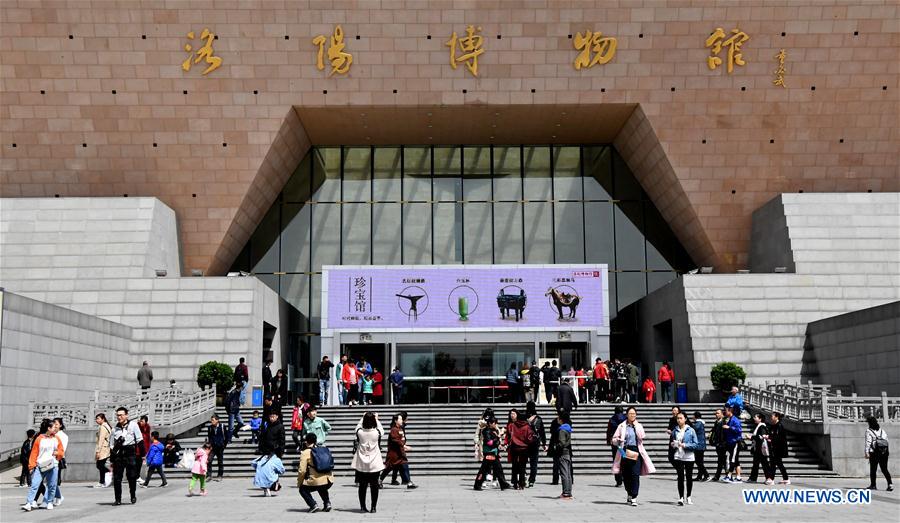
Cultural and Economic Contributions of Luoyang City
Beyond its role as a political capital, Luoyang city was a crucible of cultural and economic development, influencing art, religion, and innovation across imperial China. Its strategic position at the confluence of major trade routes, including the Silk Road, fostered a dynamic environment for exchange and growth.
Consider these key contributions:
- Cradle of Buddhism: Luoyang was one of the earliest centers for the introduction and spread of Buddhism in China. The White Horse Temple, often considered the first Buddhist temple in China, was established here in the Eastern Han Dynasty. This made Luoyang a vital hub for religious translation, scholarship, and artistic expression related to Buddhism.
- Literary and Artistic Hub: During various dynastic periods, particularly the Eastern Han and Tang, Luoyang attracted scholars, poets, and artists. Its imperial patronage led to the flourishing of literature, calligraphy, and painting. Notable works of history and poetry were often conceived or perfected within its walls.
- Technological Innovation: Historical records indicate that significant advancements in areas like cartography (Zhang Heng’s seismograph and armillary sphere) and printing were associated with Luoyang. The city’s intellectual environment fostered scientific inquiry and technological progress.
- Economic Powerhouse: Situated on fertile plains and at a crossroads of ancient trade routes, Luoyang city was a significant economic center. It facilitated the movement of goods, ideas, and people, contributing to the prosperity of various empires. Its markets and workshops were renowned throughout China.
These contributions illustrate that Luoyang city’s importance extended far beyond mere administrative function. It was a vibrant engine of civilization, driving forward artistic, religious, and scientific progress that resonated across the empire and beyond.
Understanding Luoyang City’s Strategic Importance
The repeated choice of Luoyang city as a capital was not arbitrary; it stemmed from its inherent strategic advantages. Geography played a crucial role in its historical prominence.
The city is nestled within the central plains of China, a region considered the “heartland” of Chinese civilization. This central location offered:
- Defensibility: Surrounded by mountains to the north (Mangshan) and west (Qinling), and the Yellow River to the north, Luoyang possessed natural defensive barriers. This made it relatively easier to protect against invasions compared to more exposed regions.
- Agricultural Fertility: The surrounding plains, irrigated by the Yellow River and its tributaries, were exceptionally fertile. This ensured a stable food supply for a large population, a critical factor for sustaining an imperial capital and its armies.
- Transportation Hub: Luoyang was positioned at a natural crossroads, connecting the east-west trade routes (like the Silk Road) with north-south routes. The Grand Canal, a monumental engineering project, also had a vital branch connecting directly to Luoyang, further cementing its role as a logistical and economic nexus. This facilitated the movement of goods, troops, and official communications across the empire.
These strategic attributes made Luoyang city an ideal base for consolidating power and projecting influence across a vast and diverse empire. Its consistent selection by different ruling houses attests to its unparalleled combination of geographic advantages and resource availability.
When Researching China’s Historical Centers: A Buyer’s Decision Checklist
For B2B entities, particularly those involved in cultural exchange, historical tourism, logistics analysis, or regional studies, understanding China’s historical centers like Luoyang city goes beyond academic interest. It offers insights into regional development, cultural nuances, and potential future growth. When evaluating such cities, consider the following:
- Historical Longevity as a Capital: How many dynasties and for how long did the city serve as a capital? Longer periods often indicate deeper infrastructure and cultural layers. Luoyang city, with over a dozen dynasties, scores highly here.
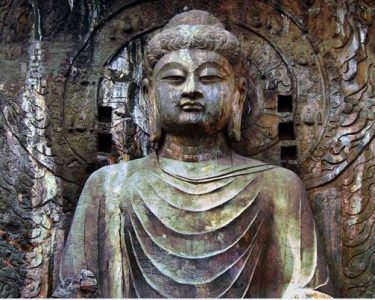
- Cultural Output and Heritage Sites: What unique cultural contributions (arts, religion, philosophy) originated or thrived there? The presence of world heritage sites (like the Longmen Grottoes near Luoyang) signifies enduring global importance.
- Strategic Geographic Location: How did its geography influence its historical role? Does this geography still offer advantages for modern logistics, resource access, or regional connectivity? Luoyang’s central plains location, once vital for imperial control, still offers regional connectivity.
- Modern Infrastructure and Accessibility: Beyond history, how accessible is the city today? What are its transportation links (rail, air, road)? This impacts potential for tourism, trade, and investment.
- Current Economic Focus: What are the city’s modern industries and economic drivers? Understanding this helps bridge the gap between historical context and contemporary business opportunities.
- Regional Development Plans: Are there ongoing or planned initiatives (e.g., free trade zones, industrial parks, cultural tourism projects) that leverage the city’s historical significance?
By applying this checklist, businesses can move past superficial historical facts and gain a more nuanced understanding of how cities like Luoyang city integrate their storied pasts with their contemporary roles, informing strategic decisions related to market entry, cultural engagement, or supply chain planning. The depth of historical context often provides a framework for understanding current regional dynamics and potential.
To gain further insights into the historical significance of key Chinese regions and their impact on modern business environments, contact our team for specialized consultations.