 By
By Which Nine Dynasties Ruled From Luoyang in China
Few cities on earth carry the political weight of Luoyang in China. For over a millennium, this city on the Luo River served as the seat of power for some of the most influential regimes in East Asian history. But the phrase “Nine Dynasties” often confuses researchers. Which dynasties actually count? Why did they choose Luoyang over other ancient capitals? And what physical evidence remains today for travelers and historians to verify these claims?
The answer lies in geography and survival. Luoyang sits in a basin surrounded by mountains on three sides. The Yellow River flows to the north. This natural fortress offered defense while the river system enabled grain transport. Those advantages made Luoyang a rational choice for rulers who needed both security and supply lines. Let us examine the nine regimes that made this city their political center.
The Complete List of Nine Dynasties
Historical sources generally agree on nine major dynasties that established their capital at Luoyang. The list spans over 1,300 years, from the Eastern Zhou to the Later Tang. Each period left behind distinct administrative structures and cultural artifacts.
- Eastern Zhou (770–256 BCE): Moved the capital east from Haojing after the invasion by the Quanrong. Luoyang became the center of the Zhou ritual system.
- Eastern Han (25–220 CE): Restored Han rule after the Xin dynasty interregnum. Luoyang became one of the largest cities in the world during this period.
- Cao Wei (220–266 CE): The first of the Three Kingdoms regimes to claim the Mandate of Heaven. Cao Pi chose Luoyang to legitimize his usurpation of the Han throne.
- Western Jin (266–316 CE): Briefly unified China after the Three Kingdoms period. Luoyang served as the center of a short-lived but culturally vibrant court.
- Northern Wei (493–534 CE): Emperor Xiaowen moved the capital from Pingcheng to Luoyang to accelerate sinicization. This move transformed the city into a Buddhist center.
- Sui (581–618 CE): Emperor Yang rebuilt Luoyang as the eastern capital. The Grand Canal project connected Luoyang to the Yangtze River basin.
- Tang (618–907 CE): While Chang’an served as the primary capital, Luoyang functioned as the eastern capital. Several Tang emperors ruled from Luoyang for extended periods.
- Later Liang (907–923 CE): The first of the Five Dynasties. Zhu Wen established his court at Luoyang after ending the Tang dynasty.
- Later Tang (923–936 CE): A Shatuo Turkic regime that claimed Tang legitimacy. Li Cunxu chose Luoyang as his capital to strengthen that claim.
Some scholars add the Later Jin (936–946 CE) to this list, creating a “Ten Dynasties” count. The debate hinges on how long a regime must rule from Luoyang to qualify. The Later Jin moved its capital to Kaifeng after only a few years in Luoyang. Most traditional sources stick with nine.
Comparison of the Nine Dynasties by Capital Period, Political Role, and Surviving Heritage Sites
The nine dynasties differed dramatically in how they used Luoyang. Some treated it as a primary capital. Others used it as a secondary base for controlling the eastern half of the empire. The table below clarifies these distinctions and points researchers toward the physical sites that survive today.
| Dynasty | Capital Period | Political Role | Surviving Heritage Sites |
|---|---|---|---|
| Eastern Zhou | 770–256 BCE | Primary capital; ritual center of the Zhou world | Wangcheng site; Zhou royal tombs |
| Eastern Han | 25–220 CE | Primary capital; administrative and cultural hub | White Horse Temple (first Buddhist temple in China); Han Wei Luoyang city ruins |
| Cao Wei | 220–266 CE | Primary capital; legitimacy anchor for the Wei claim | Han Wei Luoyang city ruins; Cao Cao’s tomb (nearby in Anyang) |
| Western Jin | 266–316 CE | Primary capital; short-lived unification center | Han Wei Luoyang city ruins; Jin dynasty tombs |
| Northern Wei | 493–534 CE | Primary capital; sinicization and Buddhist patronage hub | Longmen Grottoes (begun under Northern Wei); Binyang Cave |
| Sui | 605–618 CE | Eastern capital; terminus of the Grand Canal | Hanjia Granary site; Sui Tang Luoyang city ruins |
| Tang | 657–907 CE (intermittent) | Eastern capital; secondary administrative center | Longmen Grottoes (Fengxian Temple); Sui Tang Luoyang city ruins |
| Later Liang | 907–923 CE | Primary capital; military headquarters | Limited; city walls partially excavated |
| Later Tang | 923–936 CE | Primary capital; legitimacy claim through Tang lineage | Limited; largely overbuilt by later construction |
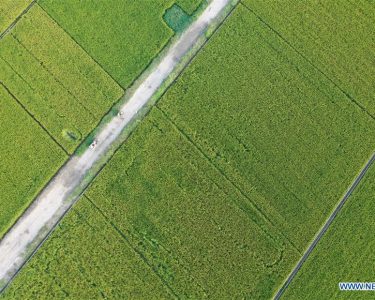
This list reflects the official historical record. But travelers should understand a key limitation: the earliest dynasties left minimal surface evidence. The Eastern Zhou and Western Jin capitals now lie beneath agricultural fields. Most visible monuments date from the Northern Wei and Tang periods, when Buddhist patronage funded massive stone carving projects.
Why Luoyang Lost Its Status as a Primary Capital
Luoyang did not remain China’s capital forever. After the Later Tang fell in 936 CE, no major dynasty chose Luoyang as its primary seat again. The Song dynasty moved the capital to Kaifeng and later to Hangzhou. The Yuan, Ming, and Qing dynasties all ruled from Beijing. What changed?
Three factors explain the shift. First, the center of Chinese economic gravity moved south. Rice production in the Yangtze delta outpaced wheat and millet farming in the Yellow River basin. Capitals needed to be closer to grain supplies. Second, the threat landscape changed. Nomadic pressure from the north required a capital closer to the frontier, making Beijing more strategically valuable. Third, the Grand Canal system matured under the Sui and Tang, reducing the need for a capital at Luoyang’s specific location. Beijing could receive southern grain via the canal while sitting closer to the northern border.
This historical arc matters for anyone studying Luoyang in China today. The city’s decline as a capital actually preserved many of its ancient sites. Without the constant rebuilding that active capitals experience, older layers remained relatively undisturbed. The Han Wei city ruins, for example, offer archaeologists a rare glimpse of a capital frozen in time.
What Researchers and Travelers Should Know Before Visiting
If you plan to study or visit the heritage sites of Luoyang, several practical points will save you time and prevent disappointment. The city’s ancient ruins do not present like the Forbidden City in Beijing. Many are unexcavated or only partially exposed. Understanding this before you arrive sets realistic expectations.
Site Accessibility and Physical Condition
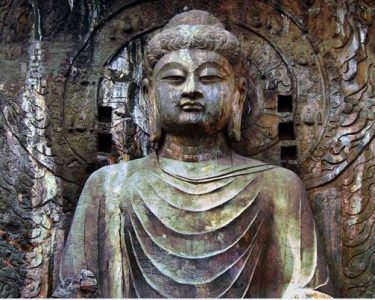
The Longmen Grottoes offer the most impressive and accessible experience. Over 100,000 Buddhist statues line the cliffs along the Yi River. The site is well-maintained, with paved paths and clear signage. The Fengxian Temple, with its 17-meter Vairocana Buddha, dates from the Tang period and represents the artistic peak of Luoyang’s imperial patronage.
The White Horse Temple sits outside the modern city center. It claims the title of China’s first Buddhist temple, founded in 68 CE under the Eastern Han. The current buildings date mostly from the Ming and Qing dynasties, but the site’s historical continuity stretches back nearly 2,000 years. This is the best place to understand the Eastern Han period’s cultural role.
The Han Wei Luoyang city ruins present a different challenge. The site is enormous—over 100 square kilometers—but most structures remain underground. Only a few sections of city wall and palace foundations are visible above ground. Researchers should contact the Luoyang Municipal Cultural Relics Bureau before visiting for access to restricted excavation areas. Casual travelers may find the site underwhelming without a guide who can interpret the landscape.
Common Mistakes to Avoid
- Assuming all nine dynasties left visible monuments: Only the Northern Wei and Tang left substantial stone structures. Earlier dynasties survive mainly as earthen mounds and buried foundations.
- Visiting in summer without planning for heat: Luoyang sits in a basin. Summer temperatures regularly exceed 35°C. The Longmen Grottoes offer little shade. Visit in spring or autumn.
- Confusing the “Nine Dynasties” with the “Nine Ancient Capitals”: China has multiple cities claiming ancient capital status. Luoyang’s “Nine Dynasties” count is a specific historical claim, not a general ranking of Chinese cities.
- Skipping the Luoyang Museum: Many of the most important artifacts from all nine dynasties are housed here, not at the sites themselves. The museum provides the chronological context that scattered ruins cannot.
- Expecting a single “Old City” district: Luoyang’s ancient capitals shifted location over time. The Eastern Zhou capital, Han Wei capital, and Sui Tang capital all occupied different sites within the modern city’s boundaries.
A Practical Itinerary for Dynasty-Focused Research
For researchers or serious travelers who want to cover all nine dynasties in a single visit, here is a concrete plan. This assumes three full days and a willingness to move between dispersed sites.
- Day 1: Eastern Zhou to Western Jin. Start at the Luoyang Museum to see artifacts from the Eastern Zhou through Western Jin periods. Then visit the Han Wei Luoyang city ruins and the White Horse Temple. This covers the first four dynasties on the list.
- Day 2: Northern Wei and Sui. Spend the morning at the Longmen Grottoes, focusing on the Northern Wei caves (Binyang Cave, Guyang Cave). In the afternoon, visit the Hanjia Granary site and the Sui Tang Luoyang city ruins. This covers the fifth and sixth dynasties.
- Day 3: Tang through Later Tang. Return to Longmen to see the Tang-period Fengxian Temple. Then visit the Luoyang Ancient Tombs Museum, which contains tombs from the Tang, Later Liang, and Later Tang periods. This completes the nine-dynasty survey.
This itinerary works best with a hired local guide who can explain the landscape. The sites are spread across a wide area, and public transportation between them is limited. A private car or organized tour is the practical choice for covering this much ground in three days.
Frequently Asked Questions About Luoyang’s Nine Dynasties
Is Luoyang older than Beijing as a capital?
Yes. Luoyang served as a capital from 770 BCE under the Eastern Zhou. Beijing did not become a primary capital until the Yuan dynasty in the 13th century CE. Luoyang’s political history predates Beijing’s by roughly 2,000 years. However, Beijing has served as capital more continuously in recent centuries.
Why do some sources say “Thirteen Dynasties” for Luoyang?
The “Thirteen Dynasties” count is a broader claim used in some Chinese tourism materials. It includes short-lived regimes and rebel states that controlled Luoyang for brief periods. The “Nine Dynasties” count is more conservative and generally accepted by academic historians. The difference is a matter of definition, not factual dispute.
Can I see the original Eastern Zhou capital today?
Partially. The Wangcheng site, identified as the Eastern Zhou capital, lies beneath modern Luoyang. Some sections of the city wall remain visible in Wangcheng Park. Most of the site is unexcavated. The Luoyang Museum displays bronze vessels and jade artifacts recovered from Eastern Zhou tombs in the area.
What happened to Luoyang between the Western Jin and Northern Wei?
Luoyang was sacked and largely destroyed in 311 CE during the Yongjia Uprising. The city remained depopulated for over a century. When the Northern Wei moved their capital to Luoyang in 493 CE, they essentially rebuilt the city from scratch. This explains why so little survives from the earlier periods.
Which dynasty left the most visible legacy in Luoyang?
The Northern Wei and Tang dynasties left the most substantial physical remains. The Longmen Grottoes, begun under Northern Wei patronage and expanded under the Tang, represent the largest single body of surviving evidence. The White Horse Temple, though rebuilt many times, traces its origin to the Eastern Han period.
How to Verify Historical Claims at Luoyang’s Sites
Researchers who need to verify specific claims about the nine dynasties should rely on primary sources and archaeological reports. The UNESCO World Heritage listing for the Longmen Grottoes provides detailed documentation of the site’s dating and artistic significance. The Archaeological Institute of America publishes field reports on Luoyang excavations that clarify which structures date from which dynasty.
For the Han Wei city ruins, the most reliable published source is the multi-volume excavation report series produced by the Chinese Academy of Social Sciences. These reports are available in major university libraries. They document the stratigraphic evidence that assigns specific layers to the Eastern Han, Cao Wei, and Western Jin periods.
Travelers who cannot access academic libraries should visit the Luoyang Museum first. The museum’s permanent exhibition arranges artifacts chronologically, making it easier to understand which objects belong to which dynasty. The English-language signage has improved significantly in recent years, though some detailed labels remain Chinese-only.
The nine dynasties that ruled from Luoyang in China shaped the political and cultural development of East Asia for over a millennium. The city’s surviving sites—from the Longmen Grottoes to the Han Wei city ruins—offer a tangible connection to that history. But understanding requires more than visiting. It requires knowing which dynasty left which evidence, and why some periods survive more visibly than others.
If you are planning research or a visit to Luoyang’s ancient capital sites, we can help you identify the most relevant locations for your specific period of interest. Send us your research focus or travel dates, and we will recommend a site list and itinerary that matches the dynasties you need to study.