 By
By Plan a 2-Day Route Through Luoyang in China
Most visitors underestimate the physical distance between major landmarks in Luoyang in China. The city stretches along the Luo River, but the headline attractions sit far apart. The Longmen Grottoes occupy the southern edge. The White Horse Temple sits twelve kilometers east of the old town. The Shaolin Temple requires a drive into the Song Mountains, roughly eighty kilometers southeast. Without a clear plan, you will burn half your trip sitting in traffic.
The real challenge is not choosing what to see. It is sequencing those stops so you never cross the city twice in one day. This guide gives you an executable two-day route. It groups sites by geography and visit timing. You will see the core cultural landmarks without wasting hours backtracking.
Action-Based Route Planning: Grouping Sites by Geography and Timing
The standard mistake is treating Luoyang as a single cluster of attractions. It is not. Think of Luoyang in China as three distinct zones: the southern river corridor, the eastern plain, and the mountain periphery. A smart route treats each zone as a single block. You finish one zone completely before moving to the next.
Here is the geographic logic that underpins the entire plan.
| Zone | Primary Sites | Best Time Window | Travel Direction |
|---|---|---|---|
| Southern River Corridor | Longmen Grottoes, Guanlin Temple, Luo River night views | Early morning to mid-afternoon | South of city center |
| Eastern Plain | White Horse Temple, Luoyang Old Town, Lijing Gate | Late afternoon to evening | East of city center |
| Mountain Periphery | Shaolin Temple, Pagoda Forest, Song Mountain | Full day, leave before 7:00 AM | Southeast, outside the city |
Why does this ordering work? Because each zone sits in a different direction from the city center. If you visit the Longmen Grottoes in the morning, then drive to the White Horse Temple at noon, you cross the entire urban core. Then if you return to the old town for dinner, you cross it again. That is two unnecessary cross-city trips. The action-based approach eliminates that waste.
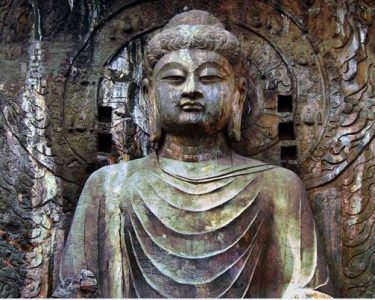
Timing matters just as much as geography. The Longmen Grottoes face east. Morning light hits the cliff face directly, making the carvings far easier to see and photograph. By afternoon, the sun moves behind the hill and the niches fall into shadow. The White Horse Temple is an active monastery. Monks conduct morning chanting early, but the halls stay open all day. It works better as an afternoon stop when the light softens and the tour groups thin out.
This grouping also reduces transport cost. A taxi from the old town to Longmen runs about forty yuan. A taxi from Longmen to White Horse Temple can exceed one hundred yuan because the driver must cross the city. Grouping sites by zone means you pay for two short trips instead of three long ones.
Day 1: The Southern Corridor and Eastern Plain
Start at the southern edge and work your way back toward the city center. This direction follows the natural flow of the Luo River and avoids the worst morning traffic, which moves from the suburbs into the center.
Morning: Longmen Grottoes
Arrive at the Longmen Grottoes ticket office by 8:00 AM. The site opens at 8:00, and the first hour is the quietest. You will walk the western cliff first, where the largest and most detailed carvings sit. The Fengxian Temple, with its seventeen-meter Vairocana Buddha, is the centerpiece. Do not rush it.
Cross the river on the pedestrian bridge to the eastern side. The view from the east bank gives you the full panorama of the western cliff. Most tour groups skip this side, so you will have space to breathe. Budget two and a half to three hours total.
Common failure point: Visitors spend too long at the smaller niches near the entrance and run out of energy before reaching the Fengxian Temple. Walk briskly past the first five hundred meters. The density of major carvings increases as you move south.
Midday: Guanlin Temple
Guanlin Temple sits three kilometers north of the Longmen Grottoes, directly on your return path to the city. It is a compact site dedicated to Guan Yu, the deified general of the Three Kingdoms era. The temple takes forty-five minutes to see fully. It breaks up the drive back into the city and gives you a shaded courtyard to rest.
If you are short on time, skip Guanlin. But it sits on the route, not off it. The marginal cost is low.
Afternoon: White Horse Temple
From Guanlin, head east to the White Horse Temple. This is the only point where you cross the city, but you do it once, not twice. The drive takes thirty to forty minutes depending on midday traffic.
The White Horse Temple is considered the first Buddhist temple in China. Its architecture is quieter and more restrained than the grottoes. The main halls follow a strict north-south axis. Walk the full axis, then visit the international temples on the eastern side of the complex. The Thai, Indian, and Burmese halls are a striking contrast to the Chinese original. Allow ninety minutes.
Evening: Luoyang Old Town
The old town sits west of the White Horse Temple, back toward the center. But you are not crossing the city again—you are returning to your base. The Lijing Gate marks the western entrance to the old city wall. From there, walk east along the pedestrian street. Food stalls sell Luoyang water banquet dishes, a local specialty of soup-based courses served in sequence.
This ends Day 1. You have covered the southern corridor and the eastern plain without backtracking.
Day 2: The Mountain Periphery
Day 2 requires a decision. The Shaolin Temple is the obvious draw, but it consumes the entire day. If you skip it, you can explore the Luoyang Museum and the old town in more depth. This guide assumes you want the Shaolin Temple—most first-time visitors do.
Morning: Shaolin Temple and Pagoda Forest
Leave Luoyang by 7:00 AM. The drive to the Shaolin Temple takes roughly ninety minutes by car or two hours by public bus from the Luoyang long-distance station. Arriving before 9:00 AM puts you ahead of the tour bus wave from Zhengzhou.
The Shaolin Temple complex is not just the temple. The Pagoda Forest, a cemetery of stone pagodas for prominent monks, sits three hundred meters west of the main temple. It is the most atmospheric part of the site. The martial arts performance runs at set times—check the schedule at the entrance and plan your temple hall visit around it.
Common failure point: Visitors assume the martial arts performance is inside the temple. It is not. The performance hall sits near the entrance gate. You must watch the show first, then walk to the temple and Pagoda Forest. If you walk to the temple first, you will miss the show and have to wait for the next slot.
Afternoon: Return to Luoyang or Transfer Out
Most visitors finish the Shaolin Temple by 2:00 PM. You have two options. Return to Luoyang for a late train or flight, or continue east toward Zhengzhou, which is closer to the Shaolin Temple than Luoyang is. If your next destination is Zhengzhou or the high-speed rail hub there, do not return to Luoyang. That would be a two-hour backtrack.
This is the final geographic decision. Luoyang in China serves as a base for the southern and eastern sites. The Shaolin Temple belongs to a different travel logic. If you plan to visit it, sequence it as the last stop before leaving the region.
Common Mistakes That Break a Short Luoyang Route
Most two-day itineraries fail for the same reasons. Here are the five errors that cost visitors the most time.
- Starting Day 1 at the White Horse Temple. It sits east of the city. You will finish by 10:00 AM, then drive south to Longmen, then back to the old town. Three separate trips. Start south, move east, end central.
- Visiting the Longmen Grottoes after noon. The light is wrong. The western cliff faces east, so the carvings fall into shadow. Morning is not a preference—it is the correct viewing window.
- Treating the Shaolin Temple as a half-day trip. The drive alone is three hours round trip. Add two hours on site and you have a full day. Do not plan anything else for that afternoon.
- Skipping the east bank at Longmen. The panorama from the east side is the best view of the entire site. It takes twenty minutes. The west bank is for detail; the east bank is for scale.
- Assuming taxis are always available at the grottoes. In peak season, the taxi queue at Longmen can take thirty minutes. Use a ride-hailing app or arrange a driver in advance.
A Worked Example: The Efficient Two-Day Sequence
Here is the exact sequence, laid out as a checklist you can copy.
- Day 1, 8:00 AM: Enter Longmen Grottoes. Walk the west cliff to Fengxian Temple.
- Day 1, 10:30 AM: Cross to the east bank. Walk to the panorama viewpoint. Exit through the east gate.
- Day 1, 11:30 AM: Drive to Guanlin Temple. Spend forty-five minutes.
- Day 1, 1:00 PM: Drive east to White Horse Temple. Walk the main axis and international halls.
- Day 1, 3:30 PM: Return to the city center. Rest.
- Day 1, 6:00 PM: Walk from Lijing Gate through the old town. Dinner at a water banquet restaurant.
- Day 2, 7:00 AM: Depart for Shaolin Temple.
- Day 2, 9:00 AM: Watch the martial arts performance. Then walk to the temple and Pagoda Forest.
- Day 2, 2:00 PM: Leave the Shaolin Temple. Head to your next city, not back to Luoyang unless required.
This sequence works because every move follows the geography. You never cross the city twice in one day. You never visit a site at the wrong time of day. You never backtrack to reach the next stop.
What This Route Does Not Cover
This plan is aggressive. It assumes you move efficiently and do not linger. It skips several worthwhile sites: the Luoyang Museum, the ancient city wall walk, the Sui and Tang Dynasty botanical garden, and the Guanlin night market. If you have three days, add those. If you have two, stick to the core.
The route also assumes good weather. The Longmen Grottoes are open-air and exposed. Rain makes the stone paths slippery. The Shaolin Temple drive crosses mountain roads that slow down in fog. Check the forecast before committing to Day 2.
Finally, this plan works best with private transport or a reliable ride-hailing app. Public buses connect all these sites, but the transfer times will eat into your schedule. A private car for two days costs more but buys you back two to three hours of sightseeing time.
Plan the route in zones. Respect the timing. You will see more of Luoyang in China in two days than most visitors see in four.
If you are coordinating a group visit or need help arranging transport between the Longmen Grottoes, White Horse Temple, and Shaolin Temple, send us your travel dates and group size. We can help you sequence the stops and arrange a driver so you never cross the city twice.