
 By
By Understanding the Name Luoyang in Chinese Characters and Pinyin
For any organization engaging with partners, suppliers, or markets in the historic city of Luoyang, correctly understanding its name is a foundational step. Mispronunciations or incorrect characters in documentation can create confusion and appear unprofessional. This guide provides a detailed breakdown of how to write, pronounce, and understand the name Luoyang in Chinese, ensuring clarity and precision in all your business communications.
The name is not just a label; it carries significant geographical and historical meaning. Knowing the components of 洛阳 helps in appreciating the cultural context and avoiding common errors that can arise from direct translation or phonetic guesswork. We will examine the characters, tones, and variants to provide a complete picture.
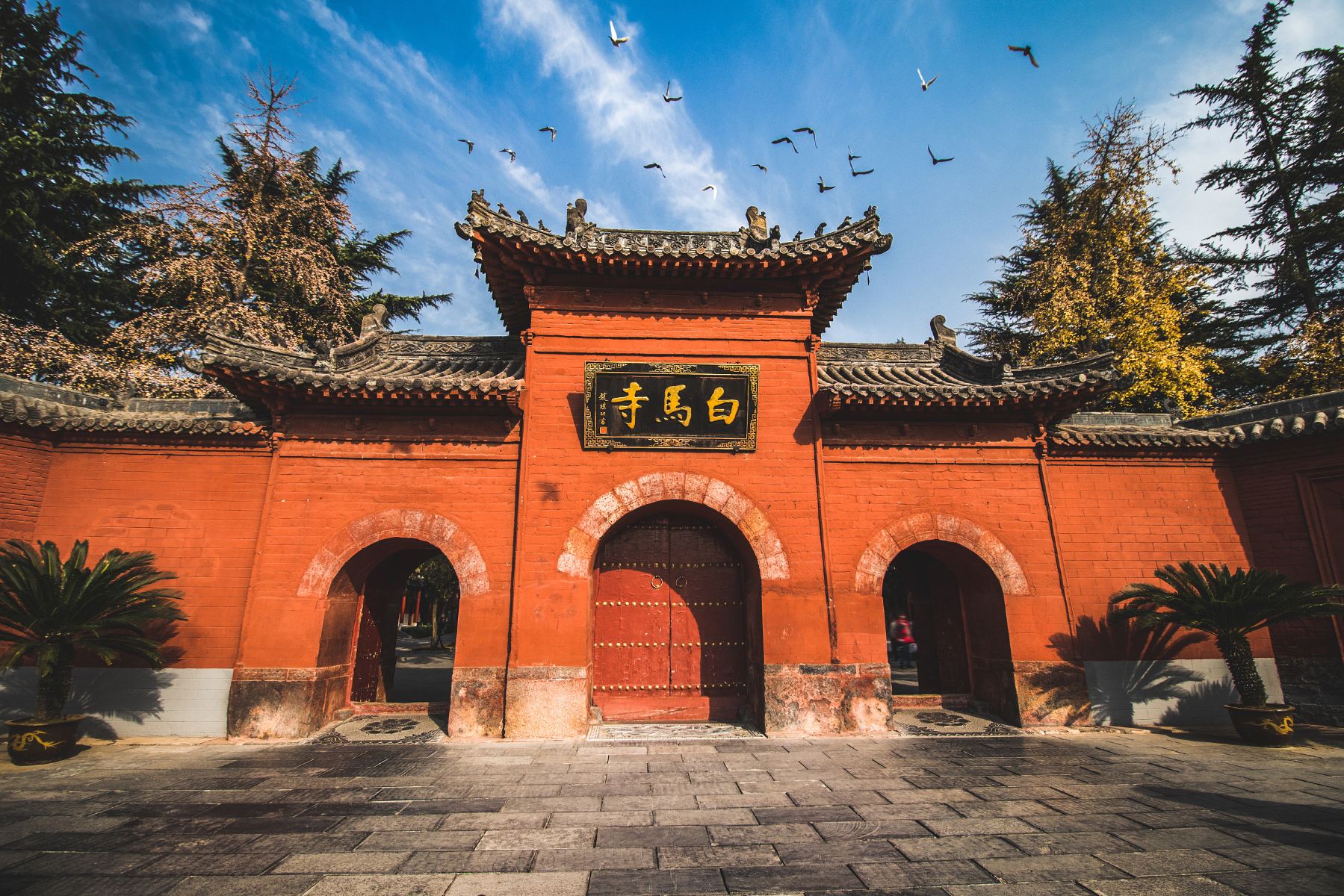
A Character-Level Breakdown of 洛阳 (Luòyáng)
Simply knowing the letters “Luoyang” is insufficient for accurate communication. The name is composed of two distinct characters, each with its own sound, tone, and meaning. Getting any of these elements wrong can change the meaning entirely. The tonal nature of Mandarin Chinese means that the pitch contour of a syllable is as important as the syllable itself. Here is a detailed analysis of the name Luoyang in Chinese characters.
The following table breaks down each character to provide a complete linguistic and practical understanding.
| Component | 洛 (luò) | 阳 (yáng) |
|---|---|---|
| Simplified Character | 洛 | 阳 |
| Traditional Character | 洛 | 陽 (yáng) |
| Pinyin (Pronunciation) | luò | yáng |
| Mandarin Tone | Fourth Tone (Falling) | Second Tone (Rising) |
| Literal Meaning | Refers to the Luo River (洛河). | “Sun,” “sunny side,” or the south side of a river / north side of a mountain. |
| Practical Impact of Error | Pronouncing with the wrong tone, such as a flat tone (luō), could be mistaken for a different character entirely, causing confusion. The character itself is consistent in both scripts. | Using the wrong tone, like the first tone (yāng), can mean “center” or “calamity,” a significant error. Using the simplified 阳 instead of the traditional 陽 in a market like Taiwan would be incorrect. |
What the Tones Mean in Practice
- luò (Fourth Tone): This is a sharp, falling tone. Start high and drop your pitch quickly and decisively, like giving a short command in English, such as “Stop!” or “Go!”.
- yáng (Second Tone): This is a rising tone. Start at a low-mid pitch and raise it, similar to the intonation used when asking a question in English, like “Really?”.
Mastering this tonal combination—falling then rising—is the key to how Luoyang is pronounced in Mandarin correctly. It creates a distinct auditory signature that is immediately recognizable to native speakers.
Geographical Meaning: Why “South of the Luo River”?
The name 洛阳 is not arbitrary; it is a precise geographical description. Understanding the 洛阳 meaning provides insight into ancient Chinese naming conventions and the city’s strategic location. The two characters combine to mean “South of the Luo River.”
In classical Chinese geography, the principle of yin and yang was often applied to landscapes. The “yang” (阳) side of a river was its southern bank, which received more direct sunlight. Conversely, the “yin” side was the northern, shadier bank. The ancient city of Luoyang was established on the sunnier, southern side of the Luo River (洛河), hence its name. This was a highly auspicious and practical location, contributing to its status as a capital for numerous dynasties throughout Chinese history.
This naming convention is common across China. For instance, the city of Huayin (华阴) is located on the northern, or “yin,” side of Mount Hua (华山). For international business, this context demonstrates a deeper level of cultural and geographical awareness beyond a surface-level translation.

Simplified vs. Traditional Characters: A Critical Choice for Business
When preparing documents, marketing materials, or packaging for Chinese-speaking markets, one of the most important decisions is whether to use Simplified or Traditional Chinese characters. While the first character, 洛 (luò), is the same in both systems, the second character for “yang” differs: 阳 (Simplified) vs. 陽 (Traditional). Using the wrong script can signal a lack of market research and may even render your materials illegible or unprofessional to your target audience.
Here is a decision checklist to help you choose the correct script for your business needs.
Buyer’s Checklist for Choosing the Right Chinese Script
-
Target Market: Mainland China / Singapore / Malaysia
- Conclusion: Use Simplified Chinese (洛阳).
- Reasoning: Simplified Chinese is the official writing system used in the People’s Republic of China since the 1950s and is also the standard in Singapore and the Malaysian Chinese community. Using Traditional characters here can be perceived as outdated or foreign.
-
Target Market: Taiwan / Hong Kong / Macau
- Conclusion: Use Traditional Chinese (洛陽).
- Reasoning: These regions maintain Traditional Chinese as their official script. Presenting materials in Simplified characters would be seen as a significant error and could be poorly received, suggesting a lack of understanding of the local market.
-
Digital Communications (Email, Websites, Software)
- Conclusion: Confirm your counterpart’s standard and ensure UTF-8 encoding.
- Reasoning: While most modern systems handle both scripts, it’s best practice to match your client’s or partner’s usage. Using UTF-8 encoding for all digital files and web pages ensures that the characters are displayed correctly across all devices and platforms, preventing garbled text.
-
Global Chinese Diaspora
- Conclusion: Varies by community; research is required.
- Reasoning: Older overseas Chinese communities may prefer Traditional characters, while newer immigrants may be more familiar with Simplified. If targeting a broad diaspora, offering materials in both scripts is often the safest approach. When in doubt, ask your local contacts for their preference.
Making the correct choice between Luoyang Chinese characters (洛阳) and the traditional form (洛陽) is a small detail that has a large impact on how your brand is perceived. It reflects a commitment to clear, respectful, and targeted communication.
Common Sourcing and Communication Mistakes to Avoid
When dealing with documentation, RFQs, or logistics involving Luoyang, several common errors can arise from a misunderstanding of the name. These mistakes can lead to shipping delays, incorrect paperwork, and strained partner relationships.
Mistake 1: Using Pinyin Without Tones in Formal Documents
Writing “Luoyang” on a shipping manifest or in a legal contract is ambiguous. Without the tones or characters, it lacks the precision of the Chinese script. Many other syllables in Mandarin sound similar.
- Solution: Always include the Chinese characters (洛阳) alongside the pinyin (Luòyáng) in all official documentation. This eliminates any possibility of confusion.
Mistake 2: Inconsistent Character Use
Switching between Simplified (阳) and Traditional (陽) within the same document or project is a red flag. It suggests a lack of attention to detail.
- Solution: Establish a clear standard for your target market at the beginning of any project and apply it consistently across all materials, from initial emails to final packaging.
Mistake 3: Relying Solely on Machine Translation
Automated translation tools can sometimes miss the nuances of names and technical terms. They may incorrectly “translate” a name or choose the wrong character set for your context.
- Solution: While useful for initial drafts, always have a native speaker or professional translation service review critical documents, especially those containing names, addresses, and official terms.
By understanding the components of the name Luoyang in Chinese, you are better equipped to navigate the linguistic and cultural details that are crucial for successful international business relationships.
For guidance on navigating regional business communications and sourcing requirements in China, contact our technical team for a consultation.
