 By
By Luoyang in China: A Cultural Diplomacy Case Study
What is luoyang in china?
Luoyang in China is a historic city in western Henan Province on the middle reaches of the Yellow River. It served as the capital of several Chinese dynasties, including the Eastern Zhou, Eastern Han, Cao Wei, Western Jin, Northern Wei, Sui, and Tang. That long record of political importance gives Luoyang a distinctive place in China’s cultural geography.
Today, Luoyang is more than an ancient capital or a tourism destination. It is also an industrial, educational, religious, and cultural center that draws on its heritage to raise its international profile. Museums, archaeological sites, peony culture, Buddhist heritage, public festivals, universities, and municipal partnerships all create opportunities to engage with overseas institutions.
This article considers the city through the lens of cultural diplomacy. The question is not only where Luoyang is or what visitors can see, but how its historical memory and present-day institutions can foster cross-border relationships.

Why Luoyang matters in international cultural relations
Cultural diplomacy uses cultural assets, people-to-people contact, education, heritage, and creative activity to build understanding between communities and countries. It differs from the formal diplomacy conducted by national governments, though city governments and public institutions can contribute to many of the same wider goals.
Luoyang has several strengths in this area:
- Historical depth: Its former capital status links the city to major chapters of Chinese political, religious, and artistic history.
- Internationally recognizable heritage: The Longmen Grottoes offer a strong platform for discussions on Buddhist art, conservation, archaeology, and ancient cultural transmission.
- Living cultural traditions: Peony cultivation, traditional festivals, martial arts, food, calligraphy, and folk performance can all be adapted for public exchange.
- Institutional capacity: Museums, universities, research centers, cultural organizations, and municipal agencies can host or coordinate international programs.
- Economic relevance: Equipment manufacturing, advanced materials, new energy, and other industries give cultural relationships a practical business dimension.
Heritage, then, is not simply something to display. It can open the door to academic cooperation, tourism promotion, youth programs, city branding, and trade missions.
Luoyang international relations through a city-level lens
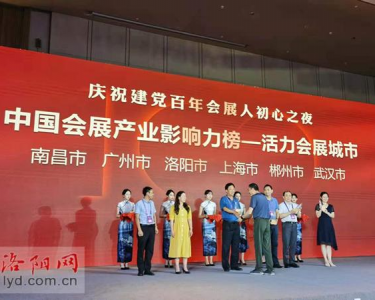
Luoyang international relations are best viewed as a mix of formal municipal contact and practical institutional exchange. A city may create friendly-city or sister-city relationships, take part in international events, welcome overseas delegations, and link local universities with foreign counterparts.
These relationships usually operate on several levels:
Municipal cooperation
Local government departments can coordinate official visits, cultural delegations, economic forums, education exchanges, and city-promotion activities. Cooperation often centers on shared interests rather than broad political agendas. Two cities, for instance, may work together on heritage conservation, museum management, youth participation, or urban development.
Institutional cooperation
Museums, universities, libraries, archaeological organizations, and cultural centers often maintain more specialized partnerships. A university exchange may include joint research, language education, visiting scholars, or student mobility. Museum cooperation can involve exhibition loans, curatorial training, digital archives, or conservation methods.
Professional and commercial networks
Business associations and local companies add another dimension. International trade fairs, manufacturing conferences, and investment events can introduce foreign visitors to Luoyang’s industrial base. The cultural setting matters here. A buyer who first encounters the city through a heritage or education program may later explore manufacturing, engineering, or technology partnerships.
This layered structure matters. City diplomacy is rarely sustained by a single institution. Its credibility depends on coordination among government bodies, cultural organizations, education providers, businesses, and residents.
Luoyang cultural exchange: heritage as a working platform
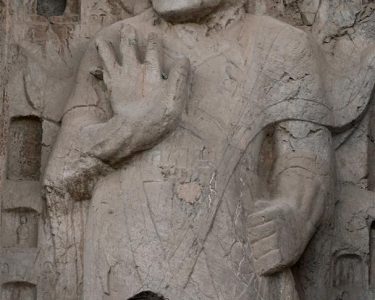
Luoyang cultural exchange benefits from the city’s ability to connect ancient history with contemporary public life. The Longmen Grottoes are a notable example. Carved into limestone cliffs along the Yi River, the complex contains thousands of Buddhist images and inscriptions created over several centuries.
The site can support international dialogue in several practical ways:
- Conservation exchange: Experts can compare approaches to stone protection, environmental monitoring, digital scanning, and visitor management.
- Academic research: Scholars can examine religious transmission, sculpture, inscriptions, trade routes, and the movement of artistic techniques across Asia.
- Public education: Exhibitions and lectures can explore historical links between China, Central Asia, India, Korea, Japan, and other parts of the Buddhist world.
- Digital collaboration: Three-dimensional imaging and multilingual interpretation can make fragile or difficult-to-access heritage more available to international audiences.
Heritage exchange also calls for care. Cultural diplomacy should not turn complex history into a promotional slogan. Responsible programs present evidence, recognize different interpretations, and place conservation ahead of visitor volume.
The same principle applies to festivals. Luoyang’s peony culture can bring together overseas horticultural organizations, landscape designers, botanists, photographers, and city representatives. A flower festival may seem mainly celebratory, yet it can also create space for discussions on plant science, urban greening, public gardens, and cultural programming.
How Luoyang city diplomacy creates international visibility
Luoyang city diplomacy depends on repeated contact. A single delegation or festival rarely changes a city’s international profile on its own. Visibility builds when cultural events are backed by dependable institutions, clear communication, professional hosting, and meaningful follow-up.
Public events and cultural programming
International cultural festivals, heritage forums, art exhibitions, and city-promotion events provide a public stage. Their value should be measured by more than attendance figures. Useful indicators include the number of participating countries, repeat institutional partners, signed cooperation agreements, joint outputs, and projects that continue after the event ends.
Education and youth engagement
Students often become long-term cultural connectors. Exchange programs, language courses, study visits, and joint competitions can create relationships that extend into academic or professional life. A student who studies archaeology in Luoyang may later work in museum administration, tourism, conservation, or international education.
Food, design, and everyday culture
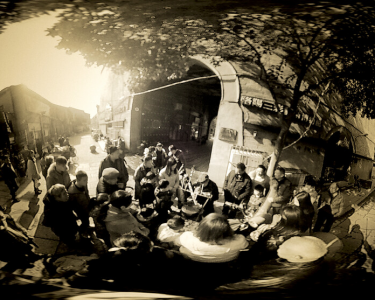
Cultural diplomacy is not limited to monumental heritage. Luoyang water banquet, a local cuisine tradition built around multiple soup-based dishes, offers a practical setting for culinary exchange. Chefs can discuss ingredient substitution, banquet service, food history, restaurant training, and hospitality standards.
Traditional crafts, calligraphy, martial arts, music, and contemporary design can serve a similar purpose. These fields are accessible to general audiences and can be adapted for workshops, school programs, online content, and professional exchanges.

Luoyang global partnerships and economic connection
Luoyang global partnerships are stronger when cultural contact is tied to specific areas of expertise. The city is associated with equipment manufacturing, bearing production, advanced materials, petrochemical technology, agriculture, and new energy. Cultural diplomacy does not replace commercial due diligence, but it can make an initial relationship easier to establish.
For international companies, this creates a two-track engagement model:
- Build familiarity: Learn about local history, institutions, industrial clusters, and business customs through a structured visit or exchange program.
- Define a technical purpose: Identify a product category, research subject, training need, or investment question.
- Verify capabilities: Review factory documentation, quality systems, production capacity, export experience, testing procedures, and applicable certifications.
- Develop the relationship: Move from introductory meetings to pilot projects, sample evaluation, technical workshops, or formal agreements.
- Measure continuity: Track follow-up meetings, project milestones, joint publications, commercial outcomes, and participant feedback.
This distinction is important for B2B readers. A cultural connection may start a conversation, but a successful supply or technology partnership still relies on specifications, inspection, payment terms, intellectual-property protection, logistics, and after-sales support.
Companies evaluating suppliers should request objective evidence such as ISO 9001 certification scope, product test reports, material certificates, dimensional tolerances, factory audit results, and export references. Where relevant, buyers should also confirm CE, RoHS, FDA, or other market-specific requirements. The right certification depends on the product and destination market; no single certificate proves suitability for every application.
What makes this case study relevant beyond tourism?
Tourism presents Luoyang through destinations and visitor experiences. Cultural diplomacy poses a different question: how can those destinations support lasting relationships among institutions and communities?
That shift leads to several useful observations:
- A heritage site can serve as a research platform, not only a sightseeing location.
- A festival can build professional networks in horticulture, food, education, and urban planning.
- A university can connect local history with international scholarship and student mobility.
- A city brand becomes more credible when cultural claims are backed by functioning institutions.
- Industrial and cultural relationships can reinforce one another without being treated as the same activity.
There are limits as well. Cultural diplomacy requires translation, sustained funding, specialist staff, and sensitivity to historical context. Exchanges can become symbolic when practical follow-up is missing. They can also lose credibility if promotional language overshadows conservation concerns or local community participation.
For researchers, it is useful to examine both inputs and outcomes. Inputs include funding, venues, staff, partner selection, and language access. Outcomes may include repeat cooperation, educational participation, scholarly output, heritage protection, business introductions, and public understanding.
How does Luoyang in China build international partnerships?
Luoyang builds international partnerships through a network of municipal relationships, cultural institutions, universities, heritage programs, public festivals, trade events, and professional associations. Each channel has a different role.
Municipal relationships provide an official framework. Universities and museums offer technical depth. Festivals generate public visibility. Industrial events connect cultural familiarity with commercial opportunity. The strongest partnerships usually combine at least two of these channels and include a clear follow-up plan.
A credible partnership should identify the participating institutions, project objectives, budget responsibilities, timetable, language arrangements, data or intellectual-property rules, and success indicators. A signed memorandum may mark the start of cooperation, but it does not prove that a program has delivered results.
What role does cultural diplomacy play in Luoyang?
Cultural diplomacy helps Luoyang communicate its identity while creating practical opportunities for international learning and cooperation. It allows the city to present its archaeological heritage, religious history, food culture, education resources, and contemporary industries as connected parts of a wider story.
Its role is most effective when cultural activity creates mutual benefit. A conservation workshop should lead to useful technical learning. A student exchange should provide academic value. A city forum should result in continuing contact. A cultural event should give overseas participants a reason to return, collaborate, or recommend further engagement.
For international organizations, this makes Luoyang relevant both as a heritage city and as a potential partner in education, research, tourism development, manufacturing, and cultural industries.
Practical considerations for international visitors and B2B partners
Organizations planning engagement with Luoyang should prepare for more than a standard itinerary. Confirm which institution will host the visit, request bilingual materials, identify the expected decision-makers, and keep cultural activities separate from technical negotiations.
For commercial discussions, prepare product drawings, target standards, annual volume estimates, packaging requirements, inspection criteria, and delivery terms. If factory visits are planned, ask whether production lines, laboratories, warehouse controls, and quality records can be reviewed.
For heritage or academic projects, discuss image rights, publication permissions, conservation restrictions, translation quality, and data storage. A well-prepared exchange respects both the cultural site and the operational needs of participating organizations.
Official background on world heritage frameworks can be reviewed through the UNESCO World Heritage Centre. Readers researching international cultural cooperation may also consult the UNESCO culture program for broader policy context.
Conclusion: turning cultural interest into responsible engagement
Luoyang shows how a historic city can use heritage, education, public events, and industry to support international relationships. Its value as a cultural diplomacy case study lies in the link between ancient identity and present-day institutional work.
For companies, researchers, and public organizations considering cooperation, the next step is careful planning: identify the right local counterpart, set measurable objectives, verify technical or institutional capability, and establish a follow-up schedule.
Need a reliable starting point for international sourcing or partnership development? Contact our team to discuss product requirements, supplier verification, documentation, and export coordination. Request a tailored quote or ask for the relevant product catalog for your market.