
 By
By Why Luoyang City Henan Became One of China’s Most Repeated Imperial Capitals
Anyone researching Chinese history eventually hits the same question: why does one city in Henan province keep reappearing as a capital across two thousand years of dynastic change? Luoyang city Henan sits near the confluence of the Yellow River and the Luo River, and that geography, combined with shifting political needs, explains most of the pattern. This article answers the boundary question directly — which dynasties actually used Luoyang as a capital, which ones didn’t, and why its political weight rose and fell over time.
Which Dynasties Had Luoyang as Capital — A Direct Answer
People often assume Luoyang was the capital of China continuously. That’s inaccurate. Luoyang’s status shifted between primary capital, secondary capital, and regional center depending on the dynasty’s military and economic priorities. Here is a factual list of the major dynasties and regimes that used Luoyang as a capital or auxiliary capital:
- Eastern Zhou dynasty — moved its capital to Luoyang around the 8th century BCE after the west was lost to invasion, marking one of the earliest major uses of the city as a seat of royal authority.
- Eastern Han dynasty — Han dynasty Luoyang is arguably the most cited example; the Eastern Han court established its capital here, distinguishing it from the earlier Western Han capital at Chang’an.
- Cao Wei (Three Kingdoms period) — used Luoyang as its capital during the fragmented Three Kingdoms era.
- Western Jin dynasty — retained Luoyang as its capital following the Wei period.
- Northern Wei dynasty — relocated its capital to Luoyang in the late 5th century, a move tied closely to the spread of Buddhist heritage Henan is still known for today.
- Sui dynasty — built a secondary eastern capital at Luoyang alongside Chang’an, using it for grain storage and canal logistics.
- Tang dynasty — maintained Luoyang as an eastern capital for extended periods, including during Empress Wu Zetian’s reign, when it briefly outranked Chang’an in practical governance.
That’s a meaningful boundary to draw: Luoyang was never the capital of a fully unified China after the Tang period. Later dynasties — Song, Yuan, Ming, Qing — centered power elsewhere, mainly Kaifeng, Beijing, or Nanjing. So when someone asks how many dynasties ruled from Luoyang, the honest answer is roughly nine to thirteen regimes, depending on whether you count short-lived states and secondary-capital arrangements separately. There’s no single universally agreed number, because historians classify some periods (like certain Five Dynasties regimes) differently.
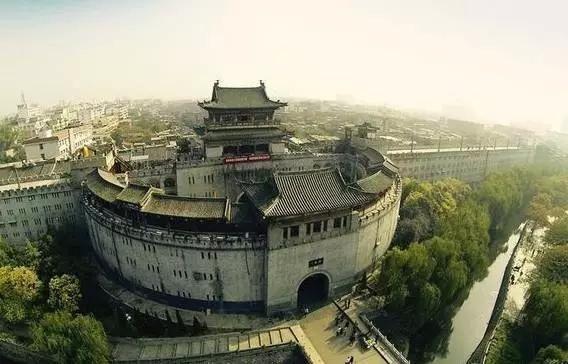
Why Did Dynasties Choose Luoyang? The Practical Reasoning
This is the part most itinerary planners actually want to understand — not just a list of names, but the logic. Three recurring factors explain why ruling families kept returning to this location.
Geographic Defensibility and River Access
Luoyang sits in a basin surrounded by mountain passes, with the Yellow River nearby for transport and irrigation. Compared to open plains, this made the city easier to defend and easier to supply. For dynasties recovering from war — like the Eastern Zhou after losing western territory — that defensibility mattered more than symbolic prestige.
Central Position for Grain Transport
The Sui dynasty’s decision to build canal infrastructure connecting Luoyang to the Yangtze basin wasn’t accidental. A capital near this junction could pull grain and tax revenue from the south while still governing the north. This logistical advantage is why Luoyang frequently served as a secondary or “eastern” capital even when the primary court sat elsewhere, such as at Chang’an.
Political Legitimacy Through Continuity
Founding a new dynasty in a city already associated with the ancient capital of China carried symbolic weight. Rulers who set up court in Luoyang were implicitly linking themselves to Zhou and Han legitimacy — a branding decision as much as a practical one. Wu Zetian’s use of Luoyang during the Tang period is a clear example: establishing herself outside the traditional Chang’an power base gave her more room to consolidate authority without competing directly with entrenched aristocratic families.
Why the Political Role Changed Over Time — Boundaries and Limitations
It would be misleading to present Luoyang as permanently central to Chinese governance. Its importance declined sharply after the Tang dynasty, for identifiable reasons:
| Period | Luoyang’s Role | Reason for Change |
|---|---|---|
| Zhou through Tang | Primary or eastern capital | Defensible geography, river/canal logistics, symbolic legitimacy |
| Late Tang / Five Dynasties | Contested, repeatedly damaged by war | Military instability, repeated sackings reduced infrastructure |
| Song dynasty onward | Secondary city, cultural site | Capital shifted to Kaifeng, then later Beijing/Nanjing for strategic and economic reasons unrelated to Luoyang |
The takeaway for anyone researching this topic: Luoyang’s decline wasn’t about the city losing relevance culturally — it’s still recognized for its Buddhist heritage Henan sites, including cave temple complexes established under Northern Wei patronage. The decline was administrative. Once canal networks and northern defense priorities shifted the political center of gravity toward Kaifeng and later Beijing, there was no strong logistical reason to restore Luoyang as a primary capital. If you’re planning a history-focused itinerary, this matters: expect Luoyang to deliver deep dynastic-era and religious heritage sites, not the density of imperial palace architecture you’d find in Beijing, which represents a much later period.
Common Misconceptions Worth Correcting
- Mistake: Assuming Luoyang was always the sole capital. In several dynasties it functioned as a secondary or eastern capital alongside Chang’an or another city.
- Mistake: Treating “ancient capital of China” as one continuous status. The role was interrupted multiple times by war, relocation, and dynastic collapse.
- Mistake: Confusing Han dynasty Luoyang with Western Han’s capital. Western Han was centered at Chang’an; only the Eastern Han period moved the seat of power to Luoyang.
- Mistake: Overlooking the Buddhist heritage angle. Northern Wei’s relocation to Luoyang directly shaped the religious and artistic development still visible in the region’s cave temple sites today.
A Practical Checklist for History Learners and Travelers
If your goal is planning research or a trip around this topic, use this checklist to confirm you’re covering the right ground:
- Confirm which specific dynasty or period you’re studying — Luoyang’s role differs significantly between Eastern Zhou, Eastern Han, and Tang eras.
- Separate “capital” from “secondary capital” status when reading historical sources; conflating the two produces inaccurate claims.
- Cross-reference dates with a reliable source such as Encyclopaedia Britannica or academic sinology publications before citing specific reign years.
- If visiting, prioritize sites tied to the dynasty you’re most interested in — Han-era tombs differ substantially from Northern Wei Buddhist grottoes.
- Don’t expect Ming or Qing-era imperial architecture in Luoyang; that heritage belongs to Beijing and Nanjing instead.
For researchers structuring a broader study of Chinese capitals, it also helps to compare Luoyang against other historically significant Henan cities and their administrative roles, since provincial context often clarifies why the imperial center shifted when it did.
Frequently Asked Questions
Which dynasties had Luoyang as capital?
Eastern Zhou, Eastern Han, Cao Wei, Western Jin, Northern Wei, and, as a secondary or eastern capital, Sui and Tang. No dynasty after Tang used it as a primary national capital.
Why did dynasties choose Luoyang over other cities?
Mainly geographic defensibility, proximity to river and later canal transport routes, and the symbolic legitimacy of ruling from a historically recognized center.
How many dynasties ruled from Luoyang?
Historians typically count between nine and thirteen dynasties or regimes, depending on how short-lived Five Dynasties-period states are classified.
Is Luoyang still administratively important today?
It remains a significant city within Henan province, known for cultural tourism and historical sites rather than national political administration.
If you’re preparing research materials, curriculum content, or a travel itinerary that references Luoyang’s dynastic history, we’re happy to help verify details or provide supporting reference material — feel free to send us your specific questions or draft outline for review.
