
 By
By Understanding Where Luoyang Is in China for B2B Operations
For international buyers and supply chain managers, understanding a supplier’s location is about more than just a pin on a map. It’s about logistics, infrastructure, and regional industrial capabilities. So, when sourcing from Central China, the question “where is Luoyang in China?” is the starting point for assessing transit times, shipping costs, and ease of access for factory audits. Luoyang is a major industrial city located in the western part of Henan province, strategically positioned as a critical node between the ancient capital of Xi’an and the modern provincial hub of Zhengzhou.
This location isn’t an accident of history; it places Luoyang directly on some of China’s most vital east-west transportation corridors. For businesses involved in manufacturing and export, its position offers a compelling blend of industrial heritage and modern logistical efficiency. Understanding this geography is the first step toward leveraging the region’s supply chain advantages and avoiding costly planning mistakes.
Geographic Context: Luoyang’s Strategic Position in Central China
Luoyang’s significance is best understood by its relationship to three key geographic features: the city of Zhengzhou to its east, the city of Xi’an to its west, and the Yellow River to its north. This trifecta defines its role as a transportation and industrial crossroads. Unlike coastal manufacturing centers, Luoyang’s value lies in its central position, connecting the developed eastern seaboard with the resource-rich western regions of China.
Zhengzhou, the capital of Henan province, is one of China’s largest logistical hubs, home to a major international airport (CGO) and a massive rail freight terminal. Xi’an is the historic starting point of the Silk Road and remains a critical gateway to Western China and Central Asia. Luoyang sits almost directly between them, integrated into the high-speed rail and expressway networks that link these two powerhouses. This placement makes it a highly accessible location for both goods and personnel, a crucial factor for international business operations.
To provide a clearer picture for sourcing and logistics planning, here is a breakdown of Luoyang’s geographic relationships:
| Geographic Feature | Approximate Distance | Primary Transport Link | Strategic Importance for Business |
|---|---|---|---|
| Zhengzhou (East) | ~120 km | High-Speed Rail (~40 min), G30 Expressway | Access to Zhengzhou Xinzheng International Airport (CGO), a major air freight hub, and the Zhengzhou International Land Port for rail freight to Europe. |
| Xi’an (West) | ~380 km | High-Speed Rail (~1.5 hrs), G30 Expressway | Gateway to Western China’s markets and resources. Connects to the China-Europe Railway Express routes originating from Xi’an. |
| Yellow River (North) | ~20 km | Local Road Network | Historically significant for civilization and agriculture; today, its valley forms a natural corridor for major railways and highways, enhancing east-west transit. |
This table illustrates that Luoyang is not an isolated city but a well-connected part of a larger economic zone. The efficiency of the high-speed rail network, in particular, dramatically reduces travel time, making multi-city factory tours or supplier meetings within a single trip entirely feasible.
Implications for Sourcing, Logistics, and Factory Visits
Knowing where Luoyang is on a map is only useful when translated into practical business advantages. The city’s location directly impacts everything from raw material sourcing and finished goods shipping to the simple logistics of visiting a potential supplier. For any company considering partners in this region, these factors are critical for calculating total landed cost and operational efficiency.
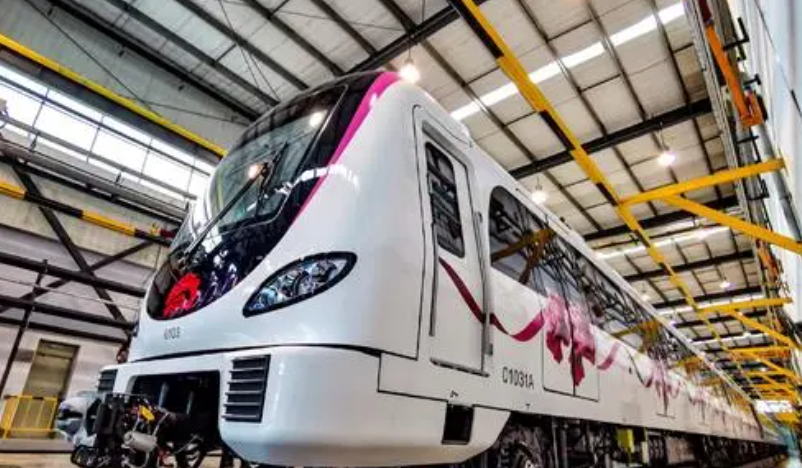
For logistics, Luoyang sits on the Longhai Railway, one of China’s most important east-west rail arteries. This line connects the port city of Lianyungang on the east coast with Lanzhou in the west, and further on to Central Asia. This provides direct rail access for both domestic material transport and international container shipping via coastal ports. Furthermore, its proximity to Zhengzhou means that air freight and complex international rail shipments are readily accessible, often with just a short drayage leg. Understanding these connections is part of building a resilient supply chain; we can help explore these options when discussing our range of services.
From a sourcing perspective, the region is known for heavy industry, including machinery, non-ferrous metals, and advanced materials. The industrial ecosystem developed here over decades, meaning there is a deep talent pool and an established network of sub-suppliers. When you source from a factory in Luoyang, you are tapping into this entire regional capability.
Buyer’s Pre-Visit Checklist for Luoyang
For international buyers planning a trip, the city’s location makes it straightforward to visit, provided you plan correctly. A poorly planned trip can waste valuable time and resources. Use this checklist to ensure a smooth and productive visit:
- [ ] Confirm Primary Arrival Airport: Will you fly into Zhengzhou (CGO) or Xi’an (XIY)? CGO is typically closer and more convenient for Luoyang, but XIY may offer better international flight options depending on your origin.
- [ ] Book High-Speed Train Tickets in Advance: This is the most efficient way to travel from Zhengzhou or Xi’an to Luoyang. Book tickets online through a reliable platform as soon as your flight is confirmed, as popular routes can sell out. Your destination station will likely be Luoyang Longmen Station.
- [ ] Verify Supplier’s Factory Address: Confirm the exact location of the factory relative to the train station. Luoyang is a large city, and travel from the station to an industrial zone can take an hour or more.
- [ ] Arrange Ground Transportation: Do not assume taxis will be readily available or that drivers will speak English. Arrange for your supplier to pick you up or hire a car and driver for the day.
- [ ] Account for Regional Nuances: While a major city, English proficiency is less common than in Shanghai or Shenzhen. If you are handling complex negotiations, arrange for a professional interpreter.
Common Mistakes When Assessing Luoyang’s Location
International businesses new to Central China can sometimes make incorrect assumptions based on a superficial understanding of its geography. These misconceptions can lead to poor logistical planning and missed opportunities. By understanding these common pitfalls, you can develop a more accurate and effective sourcing strategy.
Mistakes to Avoid in Your Planning
- Underestimating Its Connectivity: Some buyers may view any non-coastal city as “remote.” This is a significant error. Due to its position on national high-speed rail and expressway networks, Luoyang is arguably more connected to the rest of China than many smaller coastal towns. Transit times for goods to major ports like Qingdao or Shanghai are reliable and competitive.
- Assuming Direct International Flights: While Luoyang has a domestic airport (LYA), it has very limited international connections. New buyers often waste time searching for direct flights. The standard, most efficient method is to fly to a major international hub like Zhengzhou (CGO), Xi’an (XIY), Beijing (PEK), or Shanghai (PVG) and then take a domestic flight or high-speed train.
- Ignoring the Zhengzhou-Luoyang Economic Corridor: Viewing Luoyang in isolation misses the bigger picture. The city is part of a tightly integrated economic corridor with Zhengzhou. This means suppliers in Luoyang benefit from the advanced logistics, finance, and administrative services centered in the provincial capital. When you work with a Luoyang-based company, you are also leveraging the strengths of the entire Central Plains Economic Zone. You can learn more about our team and our deep understanding of the region’s industrial landscape.
- Confusing Historical Fame with Modern Role: As a famous ancient capital, Luoyang’s historical significance is immense. However, for business purposes, it’s crucial to evaluate its modern industrial identity. Its strengths are in specific manufacturing sectors, not as a political or financial center like Beijing or Shanghai. Your sourcing strategy should align with its actual industrial capabilities.
By avoiding these common errors, you can properly evaluate the strategic advantages that answer the question “where is Luoyang in China?” from a business perspective. Its location is a core asset, enabling efficient production and distribution for partners who understand how to leverage it.
If your supply chain requires sourcing from the industrial heartland of Central China, our team can provide detailed logistical insights and supplier assessments. Contact us to discuss your project requirements and how this strategic location can benefit your business.